Kutse
| Dokumendiregister | Sotsiaalministeerium |
| Viit | 1.5-8/1302-1 |
| Registreeritud | 19.05.2026 |
| Sünkroonitud | 20.05.2026 |
| Liik | Sissetulev kiri |
| Funktsioon | 1.5 Asjaajamine. Info- ja kommunikatsioonitehnoloogia arendus ja haldus |
| Sari | 1.5-8 Tervitus- ja tutvustuskirjad, kutsed ja kirjavahetus seminaridel, konverentsidel jt üritustel osalemiseks |
| Toimik | 1.5-8/2026 |
| Juurdepääsupiirang | Avalik |
| Adressaat | EURO CEH |
| Saabumis/saatmisviis | EURO CEH |
| Vastutaja | Agne Nettan-Sepp (Sotsiaalministeerium, Kantsleri vastutusvaldkond, Euroopa Liidu ja väliskoostöö osakond) |
| Originaal | Ava uues aknas |
| Taotle dokumendi eemaldamist või parandamist |
Failid
|
Tähelepanu!
Tegemist on välisvõrgust saabunud kirjaga. |
To:
Members of the European Environment and Health Task Force (EHTF) and its Bureau;
WHO National Counterparts;
Cc:
WHO Representatives and Heads of Country Offices;
WHO Secretariat;
Dear Members of the EHTF Bureau,
As the meeting approaches, we kindly remind those who have not yet done so to complete the registration: https://who.zoom.us/meeting/register/7pssCWL_Tba5o88rRcpVLw#/
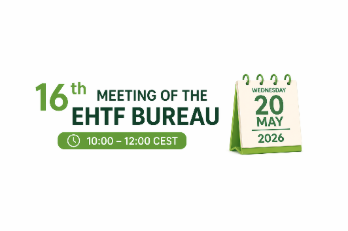
The 16th meeting of the EHTF Bureauwill be held virtually: 📅 Wednesday, 20 May 2026 | 🕑 10:00–12:00 CEST
We are pleased to share that the meeting documents, including working papers, background and communication materials, are available on the EHP SharePoint (https://worldhealthorg.sharepoint.com/sites/ws-EEHP/default.aspx). The working documents are also attached for your convenience.
Please contact us at [email protected] if you have any questions or wish to receive additional information.
We look forward to seeing you on Wednesday.
Kind regards,
Nino Sharashidze
On behalf of the EHP Secretariat
From: EURO CEH <[email protected]>
Sent: Tuesday, May 5, 2026 3:53 PM
To: EURO CEH <[email protected]>
Subject: Invitation: 16th meeting of the EHTF Bureau (virtual, 20 May 2026) // Приглашение на шестнадцатое совещание Бюро ЦГОСЗ (20 мая 2026 г., в виртуальном формате)
For Russian version, please scroll down. Текст письма на русском языке приводится ниже.
To:
Members of the European Environment and Health Task Force (EHTF) and its Bureau;
WHO National Counterparts;
Cc:
WHO Representatives and Heads of Country Offices;
WHO Secretariat;
Dear Members of the EHTF Bureau,
Further to the message below, I am pleased to invite you to the 16th meeting of the EHTF Bureau, which will be held virtually on:
📅 Wednesday, 20 May 2026 | 🕑 10:00–12:00 CEST
For information on the meeting objectives, please refer to the attached documents, including the list of documents, scope and purpose, provisional agenda, and the draft Programme of Work of the EHTF.
If you have comments or input on the documents, please share them with the Secretariat.
These working documents, together with the background materials, have been uploaded to the EHP SharePoint website (https://worldhealthorg.sharepoint.com/sites/ws-EEHP/default.aspx).
Please note that the meeting will be conducted in English only.
Kindly complete your registration by 18 May 2026 at https://who.zoom.us/meeting/register/7pssCWL_Tba5o88rRcpVLw
Should you have any questions, please contact us at [email protected].
We look forward to seeing you later in May!
Warm regards,
Nino Sharashidze
On behalf of the EHP Secretariat
***
Кому:
члены Европейской целевой группы по окружающей среде и здоровью (ЦГОСЗ) и ее Бюро;
национальные сотрудничающие организации ВОЗ.
Копии:
представители ВОЗ и руководители страновых офисов;
Секретариат ВОЗ.
Уважаемые члены Бюро ЦГОСЗ!
Рада пригласить вас принять участие в шестнадцатом совещании Бюро ЦГОСЗ, которое пройдет в виртуальном формате
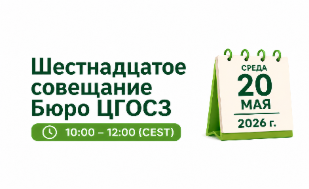
📅 в среду, 20 мая 2026 г. | 🕑 с 10:00 до 12:00 по центральноевропейскому летнему времени (CEST)
Информация о целях мероприятия содержится в прилагаемых к письму документах, включая перечень документов, цели и задачи, предварительную повестку дня, а также проект Программы работы ЦГОСЗ.
Если у вас есть комментарии или предложения по документам, пожалуйста, направьте их в Секретариат до встречи.
Эти рабочие документы и другие справочные материалы были загружены на веб-сайт ЕПОСЗ в системе SharePoint (https://worldhealthorg.sharepoint.com/sites/ws-EEHP/default.aspx).
Пожалуйста, обратите внимание, что совещание будет проходить только на английском языке.
Просим зарегистрироваться для участия до 18 мая 2026 г. по адресу https://who.zoom.us/meeting/register/7pssCWL_Tba5o88rRcpVLw.
Со всеми вопросами просим обращаться по электронной почте [email protected].
С нетерпением ждем встречи с вами позже в мае!
С уважением,
Nino Sharashidze
от имени Секретариата ЕПОСЗ
---
EHP Secretariat
WHO Regional Office for Europe | European Centre for Environment, Climate Change and Health |
Bonn, Germany
E-mail: [email protected]
| Web: European
Environment and Health Process (EHP)
WORLD HEALTH ORGANIZATION
REGIONAL OFFICE FOR EUROPE
WELTGESUNDHEITSORGANISATION
REGIONALBÜRO FÜR EUROPA
ORGANISATION MONDIALE DE LA SANTÉ
BUREAU RÉGIONAL DE L'EUROPE
ВСЕМИРНАЯ ОРГАНИЗАЦИЯ ЗДРАВООХРАНЕНИЯ
ЕВРОПЕЙСКОЕ РЕГИОНАЛЬНОЕ БЮРО
Sixteenth meeting of the European Environment and
Health Task Force (EHTF) Bureau
EURO/EHTFB16/1
Virtual
20 May 2026
10:00–12:00 Central European Summer Time
5 May 2026
Original: English
Provisional list of documents
Working documents
/1 Provisional list of documents
/2 Scope and purpose
/3 Provisional agenda
/4 Provisional programme
/5 Provisional list of participants
/6 Draft Programme of Work for the EHTF for 2026–2027
Background materials
/7 Second European Programme of Work 2026–2030
/8 Global Health Strategy for 2025–2028 - advancing equity and resilience in a turbulent world:
fourteenth General Programme of Work
/9 Summary report of the 15th EHTF Bureau meeting (virtual, 10 December 2025)
/10 Highlights of the 15th EHTF meeting (virtual, 17 June 2025)
Communications materials
/11 EHP Newsletter, January–March 2026
/12 EHP Newsletter, October–December 2025
WORLD HEALTH ORGANIZATION
REGIONAL OFFICE FOR EUROPE
WELTGESUNDHEITSORGANISATION
REGIONALBÜRO FÜR EUROPA
ORGANISATION MONDIALE DE LA SANTÉ
BUREAU RÉGIONAL DE L'EUROPE
ВСЕМИРНАЯ ОРГАНИЗАЦИЯ ЗДРАВООХРАНЕНИЯ
ЕВРОПЕЙСКОЕ РЕГИОНАЛЬНОЕ БЮРО
Sixteenth meeting of the European Environment
and Health Task Force (EHTF) Bureau
EURO/EHTFB16/2
Virtual 5 May 2026
20 May 2026,
10:00–12:00 Central European Summer Time
Original: English
Scope and purpose
The sixteenth meeting of the EHTF Bureau is scheduled for two hours and will focus on two main
areas. First, it will discuss the draft Programme of Work of the EHTF for 2026−2027, including
its key components such as the EHP Partnerships, the Bonn Dialogues on Environment and Health,
and the implementation of the Budapest commitments through governance, capacity-building,
monitoring, and national and subregional engagement.
Second, the meeting will support preparations for the next EHTF meeting (autumn 2026, location
to be announced at the Bureau meeting), including its overall focus, possible session formats, and
contributions from Member States and stakeholders as well as early considerations related to the
next Ministerial Conference on Environment and Health.
Taking place shortly after the launch of the Call to Action of the Pan-European Commission on
Climate and Health, the meeting will also provide an opportunity to consider how the Call can be
translated into concrete regional and national implementation through the EHP.
The outcomes of the Bureau’s deliberations will guide the further finalisation of the Programme
of Work and inform the preparation of a provisional agenda for the next EHTF meeting, to be
submitted to the full EHTF for consultation.
The meeting is primarily intended for Bureau members, while remaining open to other national
focal points for the EHP, in line with the EHTF’s inclusive and transparent approach.
WORLD HEALTH ORGANIZATION
REGIONAL OFFICE FOR EUROPE
WELTGESUNDHEITSORGANISATION
REGIONALBÜRO FÜR EUROPA
ORGANISATION MONDIALE DE LA SANTÉ
BUREAU RÉGIONAL DE L'EUROPE
ВСЕМИРНАЯ ОРГАНИЗАЦИЯ ЗДРАВООХРАНЕНИЯ
ЕВРОПЕЙСКОЕ РЕГИОНАЛЬНОЕ БЮРО
Sixteenth meeting of the European Environment
and Health Task Force (EHTF) Bureau
EURO/EHTFB16/3
Virtual 5 May 2026
20 May 2026,
10:00–12:00 Central European Summer Time
Original: English
Provisional agenda
Session 1 Opening and adoption of the agenda and programme
Session 2 Draft EHTF Programme of Work for 2026−2027
Session 3 Preparations for the upcoming EHTF meeting
Session 4 Any other business, summary of decisions and next steps
WORLD HEALTH ORGANIZATION
REGIONAL OFFICE FOR EUROPE
WELTGESUNDHEITSORGANISATION
REGIONALBÜRO FÜR EUROPA
ORGANISATION MONDIALE DE LA SANTÉ
BUREAU RÉGIONAL DE L'EUROPE
ВСЕМИРНАЯ ОРГАНИЗАЦИЯ ЗДРАВООХРАНЕНИЯ
ЕВРОПЕЙСКОЕ РЕГИОНАЛЬНОЕ БЮРО
Sixteenth meeting of the European Environment
and Health Task Force (EHTF) Bureau
EURO/EHTFB16/4
Virtual 18 May 2026
20 May 2026,
10:00–12:00 Central European Summer Time
Original: English
Provisional programme
10:00−10:15
Session 1 Opening and adoption of the agenda and programme
Participants will be welcomed by the Chair and the meeting organizers. During this session, the
location of the next EHTF meeting will be announced, and the Bureau will be invited to adopt the
agenda and programme of the meeting.
Relevant documents:
/1 Provisional list of documents
/2 Scope and purpose
/3 Provisional agenda
/4 Provisional programme
/11 EHP Newsletter, January–March 2026
/12 EHP Newsletter, October–December 2025
10:15−
Session 2 EHTF Programme of Work for 2026−2027
The session will open with a short presentation of the draft Programme of Work by the EHP
Secretariat, followed by discussion.
Relevant document:
/6 Draft EHTF Programme of Work for 2026-2027
/7 Second European Programme of Work 2026–2030
/8 Global Health Strategy for 2025–2028 - advancing equity and resilience in a turbulent world:
fourteenth General Programme of Work
/9 Summary report of the 15th EHTF Bureau meeting (virtual, 10 December 2025)
/10 Highlights of the 15th EHTF meeting (virtual, 17 June 2025)
11:00−11:05 Nature-inspired reset break
11:05−
Session 3 Preparations for the upcoming EHTF meeting
In this session, participants will discuss preferred formats and topics, potential speakers, and the
collection of practices and insights related to the implementation of the Budapest commitments.
11:45−12:00
Session 4 Any other business, summary of decisions and next steps
This session allows participants to raise any other business not covered in the formal agenda. The
Chair, together with the meeting organizers, will summarize key decisions, outline next steps, and
close the meeting.
1
WORLD HEALTH ORGANIZATION
REGIONAL OFFICE FOR EUROPE
WELTGESUNDHEITSORGANISATION
REGIONALBÜRO FÜR EUROPA
ORGANISATION MONDIALE DE LA SANTÉ
BUREAU RÉGIONAL DE L'EUROPE
ВСЕМИРНАЯ ОРГАНИЗАЦИЯ ЗДРАВООХРАНЕНИЯ
ЕВРОПЕЙСКОЕ РЕГИОНАЛЬНОЕ БЮРО
Sixteenth meeting of the European Environment and
Health Task Force (EHTF) Bureau
EURO/EHTFB16/6
Virtual
20 May 2026,
10:00–12:00 Central European Summer Time
5 May 2026
Original: English
Draft Programme of Work for the European Environment and Health
Task Force for 2026−2027
The Programme of Work (PoW) for 2026–2027 is based on the outline endorsed by the EHTF
Bureau at its fifteenth meeting in December 2025. It defines the strategic priorities and main
areas of work for the biennium.
The PoW was prepared by the Secretariat, considering inputs from the Chair and Co-Chairs, and
is submitted to the EHTF Bureau for review, before being shared with the full EHTF for further
consultation and adoption.
2
1. Introduction ................................................................................................................................ 3
2. Strategic framing ........................................................................................................................ 3
3. Priority areas of work ................................................................................................................. 4
3.1 Meetings of the EHP Governing Bodies ................................................................................ 4
3.2 EHP Partnerships ................................................................................................................... 6
3.3 Implementation through knowledge, capacity building, leadership and diplomacy .............. 6
3.4 Bonn Dialogues on Environment and Health......................................................................... 7
3.5 Monitoring of implementation ............................................................................................... 7
3.6 Subregional initiatives and national policy dialogues ............................................................ 8
3.7 Country-specific activities through bilateral agreements ....................................................... 8
3.8 Cooperation with Multilateral Agreements, UN Platforms and stakeholders ....................... 8
3.9 Advocacy, information and communication .......................................................................... 9
3.10 Emerging issues ................................................................................................................. 10
4. Conclusions and way forward ................................................................................................... 10
Contents
3
1. Introduction
1. Since the adoption of the Budapest Declaration and its Roadmap in 2023, countries of the
WHO European Region have been working to strengthen policies and actions that protect
people's health and the environments on which it depends, in line with the commitments
set out in the Declaration. To support implementation, countries established a new
collaborative mechanism − EHP Partnerships.
2. At the same time, the context for implementing these commitments continues to evolve.
Health and environmental conditions have been influenced by a range of interconnected
factors, including geopolitical developments, climate change, demographic trends, the
growing burden of noncommunicable diseases, and rapid technological change.
3. The EHTF serves as the main intergovernmental platform for coordinating, advancing and
monitoring the implementation of these commitments. This PoW provides the framework
for its work during the 2026–2027 biennium.
2. Strategic framing
4. The PoW for 2026–2027 is guided by the priorities set out in the Budapest Declaration,
which also reaffirms commitments made at previous Ministerial Conferences, and is
aligned with broader global and regional policy frameworks, including:
• The 2030 Agenda for Sustainable Development and its Sustainable Development
Goals (SDGs);
• WHO’s Global Strategy on Health, Environment and Climate Change;
• Outcomes and key decisions of the United Nations Framework Convention on
Climate Change Conferences of the Parties;
• WHO’s European Programme of Work;
• WHO’s Fourteenth General Programme of Work;
• The New Urban Agenda and relevant World Health Assembly resolutions;
• Regional and subregional policy frameworks such as the European Green Deal;
• The Global and Regional Quadripartite Agenda on One Health;
• The Global Biodiversity Framework of the Convention on Biological Diversity;
• The upcoming WHO European Regional Strategy on tackling noncommunicable
diseases and advancing health promotion and well-being 2027−2037.
5. Rather than introducing new or resource-intensive initiatives, the PoW focuses on
consolidating and advancing existing efforts. The aim is to maintain and further strengthen
the EHTF as a strategic platform for policy dialogue, coordination, knowledge exchange
and capacity building across the WHO European Region.
4
3. Priority areas of work
6. The work is organised around several priority areas that support the implementation of the
Budapest Declaration and strengthen cooperation across the European Environment and
Health Process (EHP), as shown in the figure below.
Figure 1. Priority areas of the PoW for 2026–2027
3.1 Meetings of the EHP Governing Bodies
7. According to the EHTF Rules of Procedure, the EHTF meets once per year. The 16th and
17th meetings are therefore expected to take place in 2026 and 2027 (Table 1). Member
States have expressed strong support for holding these meetings in person.
Table 1. EHTF sessions
Objectives The 16th and 17th sessions of the EHTF, planned for 2026 and 2027, will review
progress and guide implementation of the Budapest Declaration and its Roadmap
under the EHP.
The sessions will:
• review progress in the implementation of the Budapest commitments,
including policy developments and actions taken at the national level;
• take stock of developments within the EHP Partnerships and provide strategic
guidance on their future direction and priorities;
• provide a platform for the exchange of knowledge, experiences and technical
expertise among Member States and partners, supporting peer learning and
dissemination of good practices;
• discuss emerging environment and health challenges and explore possible
policy responses, including issues that may require coordinated regional
action;
• conduct the election of the EHTF Bureau at the 2027 session, in accordance
with the EHTF Rules of Procedure;
5
• support collaboration and resource mobilization to advance implementation
of the Budapest commitments.
Participants Members of the EHTF and its Bureau, as well as invited speakers or partners.
Language EHTF meetings are conducted in English with simultaneous interpretation into
Russian.
Venue The 16th session will be held in autumn 2026. The location will be announced at the
16th Bureau meeting.
EHTF members are invited to express interest in hosting the 17th session in 2027.
Resources
needed
The estimated cost of an in-person EHTF session is approximately USD 80 000–
100 000 per session.
8. The EHTF Bureau is expected to convene twice a year in a virtual format. The Bureau
meetings will support preparation of the annual EHTF sessions and review progress and
discuss key developments (Table 2).
Table 2. EHTF Bureau meetings
Objectives During the 2026–2027 biennium, four meetings of the EHTF Bureau are planned,
with two meetings held each year.
The first meeting of the year will focus on preparing the annual EHTF session and
discussing key priorities for the year ahead.
The second meeting, held toward the end of the year, will take stock of progress and
discuss key developments in implementation of the Budapest Declaration.
Participants Members of the EHTF Bureau. Meetings are open to all EHTF members.
Language EHTF Bureau meetings are conducted in English.
Format Bureau meetings will be held online.
Resources
needed
Meetings will be supported through the regular work of the EHP Secretariat.
9. The Working Group on Health in Climate Change (HIC) will meet once a year to facilitate
dialogue among Member States and stakeholders on protecting health from the impacts of
climate change and to support the implementation of relevant EHP commitments (Table 3).
Table 3. Health in Climate Change (HIC) Working Group
Objectives Two meetings of the HIC Working Group are planned during the biennium.
The meetings will:
• support cooperation among Member States on climate change and health
within the framework of the Budapest Declaration;
• review developments and share experiences on integrating health
considerations into climate change policies;
• promote the exchange of knowledge, research and good practices related to
climate change and health;
• discuss approaches to strengthening the resilience of health and
environmental systems to climate change and extreme weather events;
• support efforts to promote climate-resilient and environmentally sustainable
health systems.
6
Participants Members of the HIC Working Group, as well as relevant stakeholders and partners.
Language Meetings will be conducted in English with simultaneous interpretation into Russian.
Venue As many HIC members are also members of the EHTF, meetings may be organized
back-to-back with EHTF sessions and held in person, where feasible; otherwise, they
may be conducted virtually.
Resources
needed
Costs will depend on the meeting format. A standalone physical meeting is estimated
at approximately USD 50 000–70 000 per meeting; costs may be lower if organized
back-to-back with EHTF sessions. Virtual meetings require minimal resources.
10. Efforts will be made to ensure inclusive participation, including opportunities for observer
participation, in line with principles of transparency and openness.
3.2 EHP Partnerships
11. The EHP Partnerships, launched at the Budapest Conference, will continue to serve as a
core implementation mechanism for the Budapest Declaration and its Roadmap, advancing
their thematic agendas through collaborative activities such as joint initiatives, technical
exchanges, capacity-building, and the dissemination and uptake of relevant WHO norms,
standards and tools.
12. The following six EHP Partnerships are currently active, led or co-led by nine Member
States and involving over 40 countries:
• EHP Partnership for Health Sector Climate Action;
• EHP Partnership on Human Biomonitoring;
• EHP Partnership on Poison Centres;
• EHP Partnership on Risk Reduction in the School Environment;
• EHP Partnership on Youth;
• Transport, Health and Environment Pan-European Programme (THE PEP)/EHP
Partnership on Healthy Active Mobility.
13. Each Partnership will organize its own meetings and implement its workplan, bringing
together countries and partners within its thematic area.
14. Each Partnership will report regularly to the EHTF, which will provide overall oversight
and strategic guidance. The Secretariat will facilitate coordination and knowledge sharing
among the Partnerships and promote synergies with relevant initiatives. This includes
preparing the annual summary of the Partnerships’ work and maintaining the Partnerships
virtual workspaces.
15. The establishment of new EHP Partnerships is not envisaged during the biennium unless
supported by clear financial arrangements and committed leadership from Member States
or partners.
3.3 Implementation through knowledge, capacity building, leadership and diplomacy
16. Implementation of the Budapest commitments will be advanced through knowledge,
capacity-building and policy support, focusing on:
• strengthening technical capacities;
• promoting the use of existing WHO tools, guidance, and normative materials; and
• encouraging the application of health diplomacy approaches, including
environment and health-related discussions and negotiations.
7
17. Subject to the availability of resources, the Bonn School on Environment and Health will
continue to serve as a platform for strengthening technical and leadership capacities with
a focus on accelerating the implementation of the Budapest commitments.
18. Work will continue on developing professional profiles for the environment and health
workforce. The profiles will outline key areas of expertise, required competencies and
skills, and reflect global and regional trends. Following a consultation process, the
outcomes will inform decision-makers on the capacities needed to address emerging
environment and health challenges.
19. In an increasingly complex and evolving geopolitical context, the EHP continues to serve
as a technical and policy platform. Given the cross-cutting and universal nature of
environment and health, it can also contribute beyond its core functions to wider
engagement across countries and sectors. This may include supporting the use of health
diplomacy approaches, including by strengthening capacities in negotiation, strategic
communication and evidence-based policymaking.
3.4 Bonn Dialogues on Environment and Health
20. The Bonn Dialogues on Environment and Health were initially established to support the
identification of priority directions for the Budapest Conference and have since evolved
into a platform for focused policy discussions on key priorities of the Budapest Declaration.
21. The EHTF Bureau encouraged the continuation of the Bonn Dialogues during the current
biennium, with a focus on practical implementation challenges, emerging issues and
opportunities for collaboration. The Dialogues will continue to bring together Member
States, international organizations, experts and other stakeholders to exchange experiences
and highlight concrete initiatives, with topics aligned with the priorities of the Budapest
Declaration and its Roadmap to 2030.
22. The proposed topics for 2026 are menstrual health promotion and One Health. The EHTF
Bureau will assist in identifying priority themes, speakers and potential lead countries for
each Dialogue. EHTF members are encouraged to propose topics and contributors. The
Dialogues will remain open to participation from Member States, relevant stakeholders and
experts.
23. The EHP Secretariat will facilitate the organization of the Dialogues, including
coordination with lead countries and speakers, communication with participants,
dissemination of relevant information and materials, and provision of interpretation
services.
24. The Bonn Dialogues will remain ongoing activities open to all Member States and EHP
stakeholders, with the calendar and related materials available on the EHP SharePoint
platform.
3.5 Monitoring of implementation
25. Monitoring progress under the Budapest Declaration is an important element of the EHP.
In 2025, the EHP Secretariat piloted an online mechanism to facilitate the collection and
exchange of information on actions undertaken by Member States and stakeholders. The
tool was approved by the EHTF as a useful instrument for collecting updates on
implementation.
26. While the tool remains open for further feedback, it will be used during the current
biennium to support monitoring of progress. It is based on a user friendly and concise
8
online survey designed to capture national and sub-national policies, initiatives and
experiences related to the priorities of the Budapest Declaration.
27. Participation in the monitoring mechanism is voluntary. EHTF members are invited to
contribute information through the online platform. The inputs will be periodically
summarized by the Secretariat and shared with the EHTF to support discussions on
progress, challenges and opportunities for collaboration.
28. At the same time, the EHTF will continue to promote the use of National Portfolios of
Actions on Environment and Health as a practical tool for tracking and supporting the
implementation at national, sub-national and local levels. Monitoring efforts will be
aligned with existing reporting frameworks, including the SDGs and relevant national
mechanisms, to reduce duplication and enhance coherence.
3.6 Subregional initiatives and national policy dialogues
29. To reflect the diversity of challenges and capacities across the WHO European Region, the
EHTF and the Secretariat will facilitate subregional consultations, where requested. These
consultations may focus on shared priorities and support coordinated approaches to
implementing the Budapest Declaration in subregions such as Central Asia, the Caucasus
and the Western Balkans.
30. Subregional editions of the Bonn Dialogues may also be organized to address specific
regional priorities, in collaboration with WHO-led networks such as the Small Countries
Initiative, the European Healthy Cities Network and the Regions for Health Network.
These exchanges will strengthen cooperation, facilitate the sharing of practical experience
and promote coordinated action among countries facing similar environment and health
challenges.
31. In addition, the EHTF will continue to support relevant WHO subregional initiatives,
including roadmaps for health and well-being in Central Asia and the Western Balkans,
and will coordinate with other regional platforms such as the EU Green Deal and the Arctic
Council.
32. At the national level, and upon request, the EHP Secretariat and the EHTF may facilitate
country-specific policy dialogues. These dialogues will support multisectoral engagement
and help translate regional commitments into practical national action.
3.7 Country-specific activities through bilateral agreements
33. The EHP Secretariat will continue to collaborate with Member States through WHO
Biennial Collaborative Agreements and other bilateral or multilateral arrangements. These
activities are demand-driven and tailored to country priorities, and may include:
• technical support on thematic areas such as air quality, climate-resilient health
systems, and chemical safety;
• development or revision of National Portfolios of Actions on Environment and
Health;
• support for the uptake and application of WHO tools, guidance, and standards.
34. This country-specific approach helps ensure that regional commitments are translated into
practical action, while remaining aligned with national contexts and priorities.
3.8 Cooperation with Multilateral Agreements, UN Platforms and stakeholders
35. Given the cross-cutting nature of the Budapest Declaration, the PoW prioritizes stronger
synergies with relevant international commitments and regional frameworks, including:
9
• The Protocol on Water and Health;
• THE PEP;
• The Convention on Long-range Transboundary Air Pollution;
• The Basel, Rotterdam and Stockholm Conventions;
• The Convention on Biological Diversity;
• The Protocol on Strategic Environmental Assessment under the Espoo Convention.
36. The EHTF will also maintain engagement with broader UNECE and UNEP platforms, as
well as relevant European Union policy frameworks.
37. In addition, EHTF will deepen cooperation with civil society, professional associations and
youth networks. The Budapest Youth Declaration will continue to provide a foundation for
meaningful youth engagement in decision-making processes and for supporting youth
leadership and capacity development within the EHP.
3.9 Advocacy, information and communication
38. In an increasingly complex information environment, effective communication, including
the use of social media and digital channels, is increasingly important to ensure visibility,
transparency and active engagement across sectors and stakeholders. It will support the
dissemination of reliable information, help prevent and address misinformation and
miscommunication, and strengthen environment and health literacy across the Region.
39. During the 2026–2027 biennium, the EHTF members, in collaboration with
communications experts at country level, will strengthen information-sharing by
promoting regular country updates on national developments, priorities and relevant
events. These updates will ensure that timely information and opportunities for
collaboration are shared across ministries, institutions and stakeholder groups at national
level, reducing information gaps and misalignment.
40. Country updates will also serve as a basis for targeted communication through social media
and digital channels, helping to amplify key messages, increase the visibility of national
actions and reach wider audiences across the Region.
41. The information collected will further support tracking progress, sharing practical
experiences and identifying opportunities for joint action in addressing the health
dimensions of the “triple crisis” brought by the intertwining of climate change,
environmental pollution and biodiversity loss.
42. The EHP Newsletter will remain a key outreach tool for regularly disseminating updates
on major initiatives, publications and upcoming opportunities across the Region. The EHP
website and social media channels will promote key activities, highlight results and
increase visibility among wider audiences. The EHP SharePoint platform will continue to
serve as a centralized repository for EHTF-related documents, including meeting materials
and background resources, while dedicated virtual workspaces will support day-to-day
coordination and exchange within each EHP Partnership.
43. The Secretariat will promote key events and milestones and conduct targeted outreach to
UN agencies and international partners to reinforce support for the Budapest Declaration
and its implementation. These efforts aim to strengthen alignment with global processes,
expand partnerships, attract additional collaborators and funding, and ensure consistent and
strategic messaging throughout the biennium.
10
3.10 Emerging issues
44. The environment and health landscape is evolving rapidly, with new and interconnected
risks emerging alongside longstanding challenges. Particular attention will be given to the
growing links between environment, health and security, including the health impacts of
environmental degradation, climate-related risks and disruptions to essential systems such
as water, energy and food. Addressing these issues requires stronger cross-sectoral
coordination and better integration of health into preparedness, resilience and risk
management frameworks.
45. The EHP will also explore the implications of digital transformation, including the use of
artificial intelligence and data-driven tools. This includes opportunities to improve data
analysis, monitoring and decision-making, as well as the need to address potential risks
related to data quality, governance, ethics and equity.
46. Additional emerging issues may include new patterns of exposure to environmental risks,
technological developments, and evolving societal trends (including urbanization and
ageing populations) that influence health outcomes. The EHTF will provide a platform to
identify such issues, facilitate exchange among Member States, and consider appropriate
policy responses, including through dedicated sessions, Bonn Dialogues or targeted expert
discussions.
4. Conclusions and way forward
47. The PoW for 2026–2027 is designed as a phase of consolidation and focus leading towards
the next Ministerial Conference. It aims to build on the momentum of the Budapest
Declaration by strengthening coordination, making effective use of existing mechanisms,
and enhancing collaboration, while remaining realistic about current financial and human
resource constraints.
48. The EHTF will continue to play a central role as the main intergovernmental platform for
policy dialogue, coordination and strategic guidance on environment and health in the
WHO European Region.
49. The PoW will remain flexible and responsive while continuing to reflect the core principles
and commitments of the EHP, including challenges on intersecting megatrends from
increasing health threats to climate change, environmental pollution, biodiversity loss,
demographic shifts, the growing influence of digital environments and the evolving role of
environment and health governance in a rapidly changing global context.
WORLD HEALTH ORGANIZATION
REGIONAL OFFICE FOR EUROPE
WELTGESUNDHEITSORGANISATION
REGIONALBÜRO FÜR EUROPA
ORGANISATION MONDIALE DE LA SANTÉ
BUREAU RÉGIONAL DE L'EUROPE
ВСЕМИРНАЯ ОРГАНИЗАЦИЯ ЗДРАВООХРАНЕНИЯ
ЕВРОПЕЙСКОЕ РЕГИОНАЛЬНОЕ БЮРО
Sixteenth meeting of the European Environment and
Health Task Force (EHTF) Bureau
EURO/EHTFB16/1
Virtual
20 May 2026
10:00–12:00 Central European Summer Time
5 May 2026
Original: English
Provisional list of documents
Working documents
/1 Provisional list of documents
/2 Scope and purpose
/3 Provisional agenda
/4 Provisional programme
/5 Provisional list of participants
/6 Draft Programme of Work for the EHTF for 2026–2027
Background materials
/7 Second European Programme of Work 2026–2030
/8 Global Health Strategy for 2025–2028 - advancing equity and resilience in a turbulent world:
fourteenth General Programme of Work
/9 Summary report of the 15th EHTF Bureau meeting (virtual, 10 December 2025)
/10 Highlights of the 15th EHTF meeting (virtual, 17 June 2025)
Communications materials
/11 EHP Newsletter, January–March 2026
/12 EHP Newsletter, October–December 2025
WORLD HEALTH ORGANIZATION
REGIONAL OFFICE FOR EUROPE
WELTGESUNDHEITSORGANISATION
REGIONALBÜRO FÜR EUROPA
ORGANISATION MONDIALE DE LA SANTÉ
BUREAU RÉGIONAL DE L'EUROPE
ВСЕМИРНАЯ ОРГАНИЗАЦИЯ ЗДРАВООХРАНЕНИЯ
ЕВРОПЕЙСКОЕ РЕГИОНАЛЬНОЕ БЮРО
Sixteenth meeting of the European Environment
and Health Task Force (EHTF) Bureau
EURO/EHTFB16/2
Virtual 5 May 2026
20 May 2026,
10:00–12:00 Central European Summer Time
Original: English
Scope and purpose
The sixteenth meeting of the EHTF Bureau is scheduled for two hours and will focus on two main
areas. First, it will discuss the draft Programme of Work of the EHTF for 2026−2027, including
its key components such as the EHP Partnerships, the Bonn Dialogues on Environment and Health,
and the implementation of the Budapest commitments through governance, capacity-building,
monitoring, and national and subregional engagement.
Second, the meeting will support preparations for the next EHTF meeting (autumn 2026, location
to be announced at the Bureau meeting), including its overall focus, possible session formats, and
contributions from Member States and stakeholders as well as early considerations related to the
next Ministerial Conference on Environment and Health.
Taking place shortly after the launch of the Call to Action of the Pan-European Commission on
Climate and Health, the meeting will also provide an opportunity to consider how the Call can be
translated into concrete regional and national implementation through the EHP.
The outcomes of the Bureau’s deliberations will guide the further finalisation of the Programme
of Work and inform the preparation of a provisional agenda for the next EHTF meeting, to be
submitted to the full EHTF for consultation.
The meeting is primarily intended for Bureau members, while remaining open to other national
focal points for the EHP, in line with the EHTF’s inclusive and transparent approach.
WORLD HEALTH ORGANIZATION
REGIONAL OFFICE FOR EUROPE
WELTGESUNDHEITSORGANISATION
REGIONALBÜRO FÜR EUROPA
ORGANISATION MONDIALE DE LA SANTÉ
BUREAU RÉGIONAL DE L'EUROPE
ВСЕМИРНАЯ ОРГАНИЗАЦИЯ ЗДРАВООХРАНЕНИЯ
ЕВРОПЕЙСКОЕ РЕГИОНАЛЬНОЕ БЮРО
Sixteenth meeting of the European Environment
and Health Task Force (EHTF) Bureau
EURO/EHTFB16/3
Virtual 5 May 2026
20 May 2026,
10:00–12:00 Central European Summer Time
Original: English
Provisional agenda
Session 1 Opening and adoption of the agenda and programme
Session 2 Draft EHTF Programme of Work for 2026−2027
Session 3 Preparations for the upcoming EHTF meeting
Session 4 Any other business, summary of decisions and next steps
WORLD HEALTH ORGANIZATION
REGIONAL OFFICE FOR EUROPE
WELTGESUNDHEITSORGANISATION
REGIONALBÜRO FÜR EUROPA
ORGANISATION MONDIALE DE LA SANTÉ
BUREAU RÉGIONAL DE L'EUROPE
ВСЕМИРНАЯ ОРГАНИЗАЦИЯ ЗДРАВООХРАНЕНИЯ
ЕВРОПЕЙСКОЕ РЕГИОНАЛЬНОЕ БЮРО
Sixteenth meeting of the European Environment
and Health Task Force (EHTF) Bureau
EURO/EHTFB16/4
Virtual 18 May 2026
20 May 2026,
10:00–12:00 Central European Summer Time
Original: English
Provisional programme
10:00−10:15
Session 1 Opening and adoption of the agenda and programme
Participants will be welcomed by the Chair and the meeting organizers. During this session, the
location of the next EHTF meeting will be announced, and the Bureau will be invited to adopt the
agenda and programme of the meeting.
Relevant documents:
/1 Provisional list of documents
/2 Scope and purpose
/3 Provisional agenda
/4 Provisional programme
/11 EHP Newsletter, January–March 2026
/12 EHP Newsletter, October–December 2025
10:15−
Session 2 EHTF Programme of Work for 2026−2027
The session will open with a short presentation of the draft Programme of Work by the EHP
Secretariat, followed by discussion.
Relevant document:
/6 Draft EHTF Programme of Work for 2026-2027
/7 Second European Programme of Work 2026–2030
/8 Global Health Strategy for 2025–2028 - advancing equity and resilience in a turbulent world:
fourteenth General Programme of Work
/9 Summary report of the 15th EHTF Bureau meeting (virtual, 10 December 2025)
/10 Highlights of the 15th EHTF meeting (virtual, 17 June 2025)
11:00−11:05 Nature-inspired reset break
11:05−
Session 3 Preparations for the upcoming EHTF meeting
In this session, participants will discuss preferred formats and topics, potential speakers, and the
collection of practices and insights related to the implementation of the Budapest commitments.
11:45−12:00
Session 4 Any other business, summary of decisions and next steps
This session allows participants to raise any other business not covered in the formal agenda. The
Chair, together with the meeting organizers, will summarize key decisions, outline next steps, and
close the meeting.
1
WORLD HEALTH ORGANIZATION
REGIONAL OFFICE FOR EUROPE
WELTGESUNDHEITSORGANISATION
REGIONALBÜRO FÜR EUROPA
ORGANISATION MONDIALE DE LA SANTÉ
BUREAU RÉGIONAL DE L'EUROPE
ВСЕМИРНАЯ ОРГАНИЗАЦИЯ ЗДРАВООХРАНЕНИЯ
ЕВРОПЕЙСКОЕ РЕГИОНАЛЬНОЕ БЮРО
Sixteenth meeting of the European Environment and
Health Task Force (EHTF) Bureau
EURO/EHTFB16/6
Virtual
20 May 2026,
10:00–12:00 Central European Summer Time
5 May 2026
Original: English
Draft Programme of Work for the European Environment and Health
Task Force for 2026−2027
The Programme of Work (PoW) for 2026–2027 is based on the outline endorsed by the EHTF
Bureau at its fifteenth meeting in December 2025. It defines the strategic priorities and main
areas of work for the biennium.
The PoW was prepared by the Secretariat, considering inputs from the Chair and Co-Chairs, and
is submitted to the EHTF Bureau for review, before being shared with the full EHTF for further
consultation and adoption.
2
1. Introduction ................................................................................................................................ 3
2. Strategic framing ........................................................................................................................ 3
3. Priority areas of work ................................................................................................................. 4
3.1 Meetings of the EHP Governing Bodies ................................................................................ 4
3.2 EHP Partnerships ................................................................................................................... 6
3.3 Implementation through knowledge, capacity building, leadership and diplomacy .............. 6
3.4 Bonn Dialogues on Environment and Health......................................................................... 7
3.5 Monitoring of implementation ............................................................................................... 7
3.6 Subregional initiatives and national policy dialogues ............................................................ 8
3.7 Country-specific activities through bilateral agreements ....................................................... 8
3.8 Cooperation with Multilateral Agreements, UN Platforms and stakeholders ....................... 8
3.9 Advocacy, information and communication .......................................................................... 9
3.10 Emerging issues ................................................................................................................. 10
4. Conclusions and way forward ................................................................................................... 10
Contents
3
1. Introduction
1. Since the adoption of the Budapest Declaration and its Roadmap in 2023, countries of the
WHO European Region have been working to strengthen policies and actions that protect
people's health and the environments on which it depends, in line with the commitments
set out in the Declaration. To support implementation, countries established a new
collaborative mechanism − EHP Partnerships.
2. At the same time, the context for implementing these commitments continues to evolve.
Health and environmental conditions have been influenced by a range of interconnected
factors, including geopolitical developments, climate change, demographic trends, the
growing burden of noncommunicable diseases, and rapid technological change.
3. The EHTF serves as the main intergovernmental platform for coordinating, advancing and
monitoring the implementation of these commitments. This PoW provides the framework
for its work during the 2026–2027 biennium.
2. Strategic framing
4. The PoW for 2026–2027 is guided by the priorities set out in the Budapest Declaration,
which also reaffirms commitments made at previous Ministerial Conferences, and is
aligned with broader global and regional policy frameworks, including:
• The 2030 Agenda for Sustainable Development and its Sustainable Development
Goals (SDGs);
• WHO’s Global Strategy on Health, Environment and Climate Change;
• Outcomes and key decisions of the United Nations Framework Convention on
Climate Change Conferences of the Parties;
• WHO’s European Programme of Work;
• WHO’s Fourteenth General Programme of Work;
• The New Urban Agenda and relevant World Health Assembly resolutions;
• Regional and subregional policy frameworks such as the European Green Deal;
• The Global and Regional Quadripartite Agenda on One Health;
• The Global Biodiversity Framework of the Convention on Biological Diversity;
• The upcoming WHO European Regional Strategy on tackling noncommunicable
diseases and advancing health promotion and well-being 2027−2037.
5. Rather than introducing new or resource-intensive initiatives, the PoW focuses on
consolidating and advancing existing efforts. The aim is to maintain and further strengthen
the EHTF as a strategic platform for policy dialogue, coordination, knowledge exchange
and capacity building across the WHO European Region.
4
3. Priority areas of work
6. The work is organised around several priority areas that support the implementation of the
Budapest Declaration and strengthen cooperation across the European Environment and
Health Process (EHP), as shown in the figure below.
Figure 1. Priority areas of the PoW for 2026–2027
3.1 Meetings of the EHP Governing Bodies
7. According to the EHTF Rules of Procedure, the EHTF meets once per year. The 16th and
17th meetings are therefore expected to take place in 2026 and 2027 (Table 1). Member
States have expressed strong support for holding these meetings in person.
Table 1. EHTF sessions
Objectives The 16th and 17th sessions of the EHTF, planned for 2026 and 2027, will review
progress and guide implementation of the Budapest Declaration and its Roadmap
under the EHP.
The sessions will:
• review progress in the implementation of the Budapest commitments,
including policy developments and actions taken at the national level;
• take stock of developments within the EHP Partnerships and provide strategic
guidance on their future direction and priorities;
• provide a platform for the exchange of knowledge, experiences and technical
expertise among Member States and partners, supporting peer learning and
dissemination of good practices;
• discuss emerging environment and health challenges and explore possible
policy responses, including issues that may require coordinated regional
action;
• conduct the election of the EHTF Bureau at the 2027 session, in accordance
with the EHTF Rules of Procedure;
5
• support collaboration and resource mobilization to advance implementation
of the Budapest commitments.
Participants Members of the EHTF and its Bureau, as well as invited speakers or partners.
Language EHTF meetings are conducted in English with simultaneous interpretation into
Russian.
Venue The 16th session will be held in autumn 2026. The location will be announced at the
16th Bureau meeting.
EHTF members are invited to express interest in hosting the 17th session in 2027.
Resources
needed
The estimated cost of an in-person EHTF session is approximately USD 80 000–
100 000 per session.
8. The EHTF Bureau is expected to convene twice a year in a virtual format. The Bureau
meetings will support preparation of the annual EHTF sessions and review progress and
discuss key developments (Table 2).
Table 2. EHTF Bureau meetings
Objectives During the 2026–2027 biennium, four meetings of the EHTF Bureau are planned,
with two meetings held each year.
The first meeting of the year will focus on preparing the annual EHTF session and
discussing key priorities for the year ahead.
The second meeting, held toward the end of the year, will take stock of progress and
discuss key developments in implementation of the Budapest Declaration.
Participants Members of the EHTF Bureau. Meetings are open to all EHTF members.
Language EHTF Bureau meetings are conducted in English.
Format Bureau meetings will be held online.
Resources
needed
Meetings will be supported through the regular work of the EHP Secretariat.
9. The Working Group on Health in Climate Change (HIC) will meet once a year to facilitate
dialogue among Member States and stakeholders on protecting health from the impacts of
climate change and to support the implementation of relevant EHP commitments (Table 3).
Table 3. Health in Climate Change (HIC) Working Group
Objectives Two meetings of the HIC Working Group are planned during the biennium.
The meetings will:
• support cooperation among Member States on climate change and health
within the framework of the Budapest Declaration;
• review developments and share experiences on integrating health
considerations into climate change policies;
• promote the exchange of knowledge, research and good practices related to
climate change and health;
• discuss approaches to strengthening the resilience of health and
environmental systems to climate change and extreme weather events;
• support efforts to promote climate-resilient and environmentally sustainable
health systems.
6
Participants Members of the HIC Working Group, as well as relevant stakeholders and partners.
Language Meetings will be conducted in English with simultaneous interpretation into Russian.
Venue As many HIC members are also members of the EHTF, meetings may be organized
back-to-back with EHTF sessions and held in person, where feasible; otherwise, they
may be conducted virtually.
Resources
needed
Costs will depend on the meeting format. A standalone physical meeting is estimated
at approximately USD 50 000–70 000 per meeting; costs may be lower if organized
back-to-back with EHTF sessions. Virtual meetings require minimal resources.
10. Efforts will be made to ensure inclusive participation, including opportunities for observer
participation, in line with principles of transparency and openness.
3.2 EHP Partnerships
11. The EHP Partnerships, launched at the Budapest Conference, will continue to serve as a
core implementation mechanism for the Budapest Declaration and its Roadmap, advancing
their thematic agendas through collaborative activities such as joint initiatives, technical
exchanges, capacity-building, and the dissemination and uptake of relevant WHO norms,
standards and tools.
12. The following six EHP Partnerships are currently active, led or co-led by nine Member
States and involving over 40 countries:
• EHP Partnership for Health Sector Climate Action;
• EHP Partnership on Human Biomonitoring;
• EHP Partnership on Poison Centres;
• EHP Partnership on Risk Reduction in the School Environment;
• EHP Partnership on Youth;
• Transport, Health and Environment Pan-European Programme (THE PEP)/EHP
Partnership on Healthy Active Mobility.
13. Each Partnership will organize its own meetings and implement its workplan, bringing
together countries and partners within its thematic area.
14. Each Partnership will report regularly to the EHTF, which will provide overall oversight
and strategic guidance. The Secretariat will facilitate coordination and knowledge sharing
among the Partnerships and promote synergies with relevant initiatives. This includes
preparing the annual summary of the Partnerships’ work and maintaining the Partnerships
virtual workspaces.
15. The establishment of new EHP Partnerships is not envisaged during the biennium unless
supported by clear financial arrangements and committed leadership from Member States
or partners.
3.3 Implementation through knowledge, capacity building, leadership and diplomacy
16. Implementation of the Budapest commitments will be advanced through knowledge,
capacity-building and policy support, focusing on:
• strengthening technical capacities;
• promoting the use of existing WHO tools, guidance, and normative materials; and
• encouraging the application of health diplomacy approaches, including
environment and health-related discussions and negotiations.
7
17. Subject to the availability of resources, the Bonn School on Environment and Health will
continue to serve as a platform for strengthening technical and leadership capacities with
a focus on accelerating the implementation of the Budapest commitments.
18. Work will continue on developing professional profiles for the environment and health
workforce. The profiles will outline key areas of expertise, required competencies and
skills, and reflect global and regional trends. Following a consultation process, the
outcomes will inform decision-makers on the capacities needed to address emerging
environment and health challenges.
19. In an increasingly complex and evolving geopolitical context, the EHP continues to serve
as a technical and policy platform. Given the cross-cutting and universal nature of
environment and health, it can also contribute beyond its core functions to wider
engagement across countries and sectors. This may include supporting the use of health
diplomacy approaches, including by strengthening capacities in negotiation, strategic
communication and evidence-based policymaking.
3.4 Bonn Dialogues on Environment and Health
20. The Bonn Dialogues on Environment and Health were initially established to support the
identification of priority directions for the Budapest Conference and have since evolved
into a platform for focused policy discussions on key priorities of the Budapest Declaration.
21. The EHTF Bureau encouraged the continuation of the Bonn Dialogues during the current
biennium, with a focus on practical implementation challenges, emerging issues and
opportunities for collaboration. The Dialogues will continue to bring together Member
States, international organizations, experts and other stakeholders to exchange experiences
and highlight concrete initiatives, with topics aligned with the priorities of the Budapest
Declaration and its Roadmap to 2030.
22. The proposed topics for 2026 are menstrual health promotion and One Health. The EHTF
Bureau will assist in identifying priority themes, speakers and potential lead countries for
each Dialogue. EHTF members are encouraged to propose topics and contributors. The
Dialogues will remain open to participation from Member States, relevant stakeholders and
experts.
23. The EHP Secretariat will facilitate the organization of the Dialogues, including
coordination with lead countries and speakers, communication with participants,
dissemination of relevant information and materials, and provision of interpretation
services.
24. The Bonn Dialogues will remain ongoing activities open to all Member States and EHP
stakeholders, with the calendar and related materials available on the EHP SharePoint
platform.
3.5 Monitoring of implementation
25. Monitoring progress under the Budapest Declaration is an important element of the EHP.
In 2025, the EHP Secretariat piloted an online mechanism to facilitate the collection and
exchange of information on actions undertaken by Member States and stakeholders. The
tool was approved by the EHTF as a useful instrument for collecting updates on
implementation.
26. While the tool remains open for further feedback, it will be used during the current
biennium to support monitoring of progress. It is based on a user friendly and concise
8
online survey designed to capture national and sub-national policies, initiatives and
experiences related to the priorities of the Budapest Declaration.
27. Participation in the monitoring mechanism is voluntary. EHTF members are invited to
contribute information through the online platform. The inputs will be periodically
summarized by the Secretariat and shared with the EHTF to support discussions on
progress, challenges and opportunities for collaboration.
28. At the same time, the EHTF will continue to promote the use of National Portfolios of
Actions on Environment and Health as a practical tool for tracking and supporting the
implementation at national, sub-national and local levels. Monitoring efforts will be
aligned with existing reporting frameworks, including the SDGs and relevant national
mechanisms, to reduce duplication and enhance coherence.
3.6 Subregional initiatives and national policy dialogues
29. To reflect the diversity of challenges and capacities across the WHO European Region, the
EHTF and the Secretariat will facilitate subregional consultations, where requested. These
consultations may focus on shared priorities and support coordinated approaches to
implementing the Budapest Declaration in subregions such as Central Asia, the Caucasus
and the Western Balkans.
30. Subregional editions of the Bonn Dialogues may also be organized to address specific
regional priorities, in collaboration with WHO-led networks such as the Small Countries
Initiative, the European Healthy Cities Network and the Regions for Health Network.
These exchanges will strengthen cooperation, facilitate the sharing of practical experience
and promote coordinated action among countries facing similar environment and health
challenges.
31. In addition, the EHTF will continue to support relevant WHO subregional initiatives,
including roadmaps for health and well-being in Central Asia and the Western Balkans,
and will coordinate with other regional platforms such as the EU Green Deal and the Arctic
Council.
32. At the national level, and upon request, the EHP Secretariat and the EHTF may facilitate
country-specific policy dialogues. These dialogues will support multisectoral engagement
and help translate regional commitments into practical national action.
3.7 Country-specific activities through bilateral agreements
33. The EHP Secretariat will continue to collaborate with Member States through WHO
Biennial Collaborative Agreements and other bilateral or multilateral arrangements. These
activities are demand-driven and tailored to country priorities, and may include:
• technical support on thematic areas such as air quality, climate-resilient health
systems, and chemical safety;
• development or revision of National Portfolios of Actions on Environment and
Health;
• support for the uptake and application of WHO tools, guidance, and standards.
34. This country-specific approach helps ensure that regional commitments are translated into
practical action, while remaining aligned with national contexts and priorities.
3.8 Cooperation with Multilateral Agreements, UN Platforms and stakeholders
35. Given the cross-cutting nature of the Budapest Declaration, the PoW prioritizes stronger
synergies with relevant international commitments and regional frameworks, including:
9
• The Protocol on Water and Health;
• THE PEP;
• The Convention on Long-range Transboundary Air Pollution;
• The Basel, Rotterdam and Stockholm Conventions;
• The Convention on Biological Diversity;
• The Protocol on Strategic Environmental Assessment under the Espoo Convention.
36. The EHTF will also maintain engagement with broader UNECE and UNEP platforms, as
well as relevant European Union policy frameworks.
37. In addition, EHTF will deepen cooperation with civil society, professional associations and
youth networks. The Budapest Youth Declaration will continue to provide a foundation for
meaningful youth engagement in decision-making processes and for supporting youth
leadership and capacity development within the EHP.
3.9 Advocacy, information and communication
38. In an increasingly complex information environment, effective communication, including
the use of social media and digital channels, is increasingly important to ensure visibility,
transparency and active engagement across sectors and stakeholders. It will support the
dissemination of reliable information, help prevent and address misinformation and
miscommunication, and strengthen environment and health literacy across the Region.
39. During the 2026–2027 biennium, the EHTF members, in collaboration with
communications experts at country level, will strengthen information-sharing by
promoting regular country updates on national developments, priorities and relevant
events. These updates will ensure that timely information and opportunities for
collaboration are shared across ministries, institutions and stakeholder groups at national
level, reducing information gaps and misalignment.
40. Country updates will also serve as a basis for targeted communication through social media
and digital channels, helping to amplify key messages, increase the visibility of national
actions and reach wider audiences across the Region.
41. The information collected will further support tracking progress, sharing practical
experiences and identifying opportunities for joint action in addressing the health
dimensions of the “triple crisis” brought by the intertwining of climate change,
environmental pollution and biodiversity loss.
42. The EHP Newsletter will remain a key outreach tool for regularly disseminating updates
on major initiatives, publications and upcoming opportunities across the Region. The EHP
website and social media channels will promote key activities, highlight results and
increase visibility among wider audiences. The EHP SharePoint platform will continue to
serve as a centralized repository for EHTF-related documents, including meeting materials
and background resources, while dedicated virtual workspaces will support day-to-day
coordination and exchange within each EHP Partnership.
43. The Secretariat will promote key events and milestones and conduct targeted outreach to
UN agencies and international partners to reinforce support for the Budapest Declaration
and its implementation. These efforts aim to strengthen alignment with global processes,
expand partnerships, attract additional collaborators and funding, and ensure consistent and
strategic messaging throughout the biennium.
10
3.10 Emerging issues
44. The environment and health landscape is evolving rapidly, with new and interconnected
risks emerging alongside longstanding challenges. Particular attention will be given to the
growing links between environment, health and security, including the health impacts of
environmental degradation, climate-related risks and disruptions to essential systems such
as water, energy and food. Addressing these issues requires stronger cross-sectoral
coordination and better integration of health into preparedness, resilience and risk
management frameworks.
45. The EHP will also explore the implications of digital transformation, including the use of
artificial intelligence and data-driven tools. This includes opportunities to improve data
analysis, monitoring and decision-making, as well as the need to address potential risks
related to data quality, governance, ethics and equity.
46. Additional emerging issues may include new patterns of exposure to environmental risks,
technological developments, and evolving societal trends (including urbanization and
ageing populations) that influence health outcomes. The EHTF will provide a platform to
identify such issues, facilitate exchange among Member States, and consider appropriate
policy responses, including through dedicated sessions, Bonn Dialogues or targeted expert
discussions.
4. Conclusions and way forward
47. The PoW for 2026–2027 is designed as a phase of consolidation and focus leading towards
the next Ministerial Conference. It aims to build on the momentum of the Budapest
Declaration by strengthening coordination, making effective use of existing mechanisms,
and enhancing collaboration, while remaining realistic about current financial and human
resource constraints.
48. The EHTF will continue to play a central role as the main intergovernmental platform for
policy dialogue, coordination and strategic guidance on environment and health in the
WHO European Region.
49. The PoW will remain flexible and responsive while continuing to reflect the core principles
and commitments of the EHP, including challenges on intersecting megatrends from
increasing health threats to climate change, environmental pollution, biodiversity loss,
demographic shifts, the growing influence of digital environments and the evolving role of
environment and health governance in a rapidly changing global context.