Meeting
| Dokumendiregister | Sotsiaalministeerium |
| Viit | 1.5-8/1680-1 |
| Registreeritud | 01.07.2026 |
| Sünkroonitud | 02.07.2026 |
| Liik | Sissetulev kiri |
| Funktsioon | 1.5 Asjaajamine. Info- ja kommunikatsioonitehnoloogia arendus ja haldus |
| Sari | 1.5-8 Tervitus- ja tutvustuskirjad, kutsed ja kirjavahetus seminaridel, konverentsidel jt üritustel osalemiseks |
| Toimik | 1.5-8/2026 |
| Juurdepääsupiirang | Avalik |
| Adressaat | EURO CEH |
| Saabumis/saatmisviis | EURO CEH |
| Vastutaja | Helen Sõber (Sotsiaalministeerium, Kantsleri vastutusvaldkond, Euroopa Liidu ja väliskoostöö osakond) |
| Originaal | Ava uues aknas |
| Taotle dokumendi eemaldamist või parandamist |
Failid
|
Tähelepanu!
Tegemist on välisvõrgust saabunud kirjaga. |
To:
Members of the European Environment and Health Task Force and its Bureau;
WHO National Counterparts;
Cc:
WHO Representatives and Heads of Country Offices;
WHO Secretariat;
Dear members of the EHTF Bureau and meeting participants,
On behalf of the EHP Secretariat, we warmly thank you for your active participation in the 16th meeting of the EHTF Bureau, held virtually from the WHO European Centre for Environment, Climate Change and Health in Bonn, Germany.
Together, we:
- Looked ahead to the next EHTF meeting, with Ireland kindly offering to host it in Maynooth on 24-26 November 2026. This will provide an important opportunity to reconnect in person and continue advancing our shared agenda. Please find the save the date message attached.
- Continued to co-design the EHTF Programme of Work for 2026–2027, helping to shape a practical roadmap for implementing the Budapest Declaration.
- Explored future Bonn Dialogues and emerging priorities, including One Health, chemical pollution, environmental public health surveillance and Artificial Intelligence in the environment and health.
- Learned about the continued momentum of the six EHP Partnerships, demonstrating expanding membership and practical action across the Region.
- Discussed new approaches for future EHTF engagement, including more interactive formats, stronger youth participation, and innovative ways to capture experiences and track progress.
➡️The guiding discussion questions raised during the sessions will remain open until 6 July 2026:
Further reflections are warmly encouraged.
To revisit key moments from the meeting, please find attached:
- Draft meeting highlights;
- Meeting presentations.
Thank you once again for your continued engagement, thoughtful contributions, and commitment to advancing environment and health together.
With best wishes,
Nino Sharashidze
On behalf of the EHP Secretariat
From: EURO CEH
Sent: Monday, May 18, 2026 4:50 PM
To: EURO CEH <[email protected]>
Subject: MEETING PROGRAMME AND REMINDER TO REGISTER: Invitation: 16th meeting of the EHTF Bureau (virtual, 20 May 2026)
To:
Members of the European Environment and Health Task Force (EHTF) and its Bureau;
WHO National Counterparts;
Cc:
WHO Representatives and Heads of Country Offices;
WHO Secretariat;
Dear Members of the EHTF Bureau,
As the meeting approaches, we kindly remind those who have not yet done so to complete the registration: https://who.zoom.us/meeting/register/7pssCWL_Tba5o88rRcpVLw#/
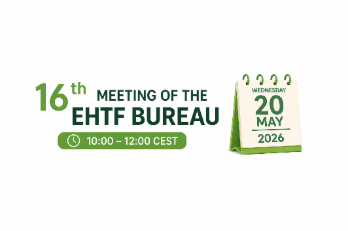
The 16th meeting of the EHTF Bureauwill be held virtually: 📅 Wednesday, 20 May 2026 | 🕑 10:00–12:00 CEST
We are pleased to share that the meeting documents, including working papers, background and communication materials, are available on the EHP SharePoint (https://worldhealthorg.sharepoint.com/sites/ws-EEHP/default.aspx). The working documents are also attached for your convenience.
Please contact us at [email protected] if you have any questions or wish to receive additional information.
We look forward to seeing you on Wednesday.
Kind regards,
Nino Sharashidze
On behalf of the EHP Secretariat
From: EURO CEH <[email protected]>
Sent: Tuesday, May 5, 2026 3:53 PM
To: EURO CEH <[email protected]>
Subject: Invitation: 16th meeting of the EHTF Bureau (virtual, 20 May 2026) // Приглашение на шестнадцатое совещание Бюро ЦГОСЗ (20 мая 2026 г., в виртуальном формате)
For Russian version, please scroll down. Текст письма на русском языке приводится ниже.
To:
Members of the European Environment and Health Task Force (EHTF) and its Bureau;
WHO National Counterparts;
Cc:
WHO Representatives and Heads of Country Offices;
WHO Secretariat;
Dear Members of the EHTF Bureau,
Further to the message below, I am pleased to invite you to the 16th meeting of the EHTF Bureau, which will be held virtually on:
📅 Wednesday, 20 May 2026 | 🕑 10:00–12:00 CEST
For information on the meeting objectives, please refer to the attached documents, including the list of documents, scope and purpose, provisional agenda, and the draft Programme of Work of the EHTF.
If you have comments or input on the documents, please share them with the Secretariat.
These working documents, together with the background materials, have been uploaded to the EHP SharePoint website (https://worldhealthorg.sharepoint.com/sites/ws-EEHP/default.aspx).
Please note that the meeting will be conducted in English only.
Kindly complete your registration by 18 May 2026 at https://who.zoom.us/meeting/register/7pssCWL_Tba5o88rRcpVLw
Should you have any questions, please contact us at [email protected].
We look forward to seeing you later in May!
Warm regards,
Nino Sharashidze
On behalf of the EHP Secretariat
***
Кому:
члены Европейской целевой группы по окружающей среде и здоровью (ЦГОСЗ) и ее Бюро;
национальные сотрудничающие организации ВОЗ.
Копии:
представители ВОЗ и руководители страновых офисов;
Секретариат ВОЗ.
Уважаемые члены Бюро ЦГОСЗ!
Рада пригласить вас принять участие в шестнадцатом совещании Бюро ЦГОСЗ, которое пройдет в виртуальном формате
📅 в среду, 20 мая 2026 г. | 🕑 с 10:00 до 12:00 по центральноевропейскому летнему времени (CEST)
Информация о целях мероприятия содержится в прилагаемых к письму документах, включая перечень документов, цели и задачи, предварительную повестку дня, а также проект Программы работы ЦГОСЗ.
Если у вас есть комментарии или предложения по документам, пожалуйста, направьте их в Секретариат до встречи.
Эти рабочие документы и другие справочные материалы были загружены на веб-сайт ЕПОСЗ в системе SharePoint (https://worldhealthorg.sharepoint.com/sites/ws-EEHP/default.aspx).
Пожалуйста, обратите внимание, что совещание будет проходить только на английском языке.
Просим зарегистрироваться для участия до 18 мая 2026 г. по адресу https://who.zoom.us/meeting/register/7pssCWL_Tba5o88rRcpVLw.
Со всеми вопросами просим обращаться по электронной почте [email protected].
С нетерпением ждем встречи с вами позже в мае!
С уважением,
Nino Sharashidze
от имени Секретариата ЕПОСЗ
---
EHP Secretariat
WHO Regional Office for Europe | European Centre for Environment, Climate Change and Health |
Bonn, Germany
E-mail: [email protected]| Web:
European Environment and Health Process
(EHP)
Announcement of the Host of the 16th EHTF meeting
EHTF Bureau – Ireland Update Colin O’Hehir
May 2026
Body Level One
Body Level Two
Body Level Three
Body Level Four
Body Level Five
3 An Roinn Sláinte | Department of Health
Environment and Health Task Force
Building on the outcomes of the 15th meeting, June 2025
4 An Roinn Sláinte | Department of Health
EHTF – Implementing the Budapest Commitments
❑ Enabling Member State Leadership
❑ EHTF Work Programme 2026-27
❑ Supporting the EHP Partnerships
❑ Central role for environment and
health in WHO/Europe’s strategic
direction
❑ Beginning to plan 8MCEH
5 An Roinn Sláinte | Department of Health
Ireland & the Environment / Climate / Health Nexus
❑ Chairing EHP Partnership for Health Sector Climate Action
❑ Joined the Bureau in 2025
❑ Integrating the agendas domestically
❑ Air Quality
❑ One Health
❑ Climate Action Plan
❑ Presidency of the Council of the European Union from 1/7/2026
Body Level One
Body Level Two
Body Level Three
Body Level Four
Body Level Five
6 An Roinn Sláinte | Department of Health
EHTF Meeting 2026
6 6/30/2026 Add a footer
Ireland is proud to host the sixteenth meeting of the EHTF
and HIC Working Group
Maynooth
24, 25, 26 November 2026
Body Level One
Body Level Two
Body Level Three
Body Level Four
Body Level Five
7 An Roinn Sláinte | Department of Health
Details to be confirmed
7 6/30/2026 Add a footer
- Logistics
- Focus areas / themes
- Key objectives
We look forward to welcoming you!
Updates from the Pan-European Commission on Climate and Health
1. Confronting
climate change
as a catastrophic
threat to human
health, security
and social stability
2. Transforming health
systems for people
and climate
3. Scaling up local,
community-based
solutions for
climate and health
4. Reforming
economic, financial
and regulatory
systems to drive
climate–health
progress
EHTF Programme of Work for 2026-2027
Timeline
Outline discussed
Full draft PoW today
Adoption in Ireland
15th EHTF Bureau
meeting
10 Dec 2025
15th EHTF
meeting
17 June 2025
Online consultation – waves 1 and 2
16th EHTF
meeting
24-26 Nov 2026
16th EHTF Bureau
meeting
20 May 2026
Online consultation – wave 3
• Aligned with broader global and regional frameworks
• Guided by pragmatism, efficiency, partnership
• Focused on coordination, implementation, and communication
Core components
Bonn Dialogues on
Environment and
Health
EHP Partnerships
EHTF, its Bureau and
Working Group on Health
in Climate Change (HIC)
Monitoring of
implementation
Subregional initiatives
and National Policy
Dialogues
Implementation through
knowledge and capacity
building
Cooperation with
Multilateral Agreements,
UN Platforms and
stakeholders
Emerging issuesAdvocacy, information
and communication
Bonn Dialogues
Bonn Dialogues
We’re well on our way — here’s how we’ve made it
happen.
EHTF Bureau feedback by: 26 June 2026
Comprehensive draft of the EHTF PoW 2026–2027: EHTF consultation and subsequent adoption at the 16th EHTF meeting
Way forward
Guiding questions
• Bonn Dialogue themes and lead countries
• Communication and advocacy for implementation
• Strengthening the impact of EHP Partnerships
• Potential new Partnerships and priority areas
• Emerging issues and future directions towards 2030
Ideas for simplified data collection approaches
Working different with less
A possible blended approach?
What is most practical and useful?
WORLD HEALTH ORGANIZATION
REGIONAL OFFICE FOR EUROPE
WELTGESUNDHEITSORGANISATION
REGIONALBÜRO FÜR EUROPA
ORGANISATION MONDIALE DE LA SANTÉ
BUREAU RÉGIONAL DE L'EUROPE
ВСЕМИРНАЯ ОРГАНИЗАЦИЯ ЗДРАВООХРАНЕНИЯ
ЕВРОПЕЙСКОЕ РЕГИОНАЛЬНОЕ БЮРО
Fifteenth meeting of the European Environment
and Health Task Force (EHTF) Bureau
EURO/EHTFB15
Virtual 9 February 2025
10 December 2025 Original: English
Meeting highlights
Background and introduction
The WHO European Centre for Environment, Climate Change and Health (WHO ECEH), acting
in its capacity as Secretariat of the European Environment and Health Process (EHP), supported
the EHTF Chair and co-Chair in the organization and conduct of the Bureau meeting.
The meeting was chaired by Prof. Raquel Duarte-Davidson. Ms Brigit Staatsen served as
acting co-Chair, in agreement with Ms Maia Javakhishvili, who followed the meeting online
while on ministerial duty abroad.
Participants
The meeting was attended by representatives from 29 Member States of the WHO European
Region and 5 stakeholders, including youth representatives.
Overall scope
The meeting focused on:
• Exchange of experiences and insights among Member States, stakeholders, EHP
Partnerships, and the EHP Secretariat on the implementation of the Budapest
commitments
• Coordination and planning of EHTF activities for 2026 and beyond, including the Bonn
Dialogues and the next EHTF meeting.
Key discussion points and main agreements
The WHO Secretariat updated the EHTF Bureau on WHO/Europe’s current strategic
and programmatic work as well as the financial situation. Member States provided
national updates on the implementation of the Budapest Declaration, including inputs
from Czechia, Hungary, North Macedonia, Poland, the Republic of Moldova, and
Tajikistan. All EHTF members were invited to showcase national and organizational
commitments in English and/or Russian via the online poll.
The Bureau continued the co-design of the EHTF Programme of Work for 2026–2027,
advancing the Task Force’s shared vision into a practical framework. Guiding questions
remain open to support further development of the draft Programme, and inputs were
invited via the online form, with responses expected by the end of January 2026.
page 2
The Bureau agreed on the organisatin of two Bonn Dialogues in 2026: one on Menstrual
Health scheduled for May, and a second, tentatively focused on Environment and Health
within a One Health approach, anticipated for the second half of the year. EHTF
members were encouraged to lead or co-lead the Dialogues, and to propose speakers and
topics aligned with their national priorities to the Secretariat at [email protected].
Updates were provided by the six active EHP Partnerships on their ongoing work and
activities.
Potential hosting opportunities for the next EHTF meeting were explored. National
consultations will continue with the EHP Secretariat to launch a call for hosts in early
2026.
The initiation of a photo and video gallery showcasing EHP’s work since its
establishment in 1989 was agreed. EHTF members were encouraged to share archival
materials from various EHTF meetings with the EHP Secretariat at [email protected].
page 3
The following sections provide a more detailed overview of the key discussions and decisions
summarized above and are organized according to the main topics of the meeting sessions
(Annex 1).
1. Opening and adoption of the agenda and programme
1. The meeting opened with remarks from the EHTF Chair and the WHO Secretariat.
Following the introduction of the scope and purpose of the meeting, participants adopted
the agenda as proposed.
2. Participation by Member States, stakeholder organizations, and the EHP Secretariat is illustrated in the figure below.
Figure. Representation of countries and stakeholders at the EHTF Bureau meeting
2. Updates from the WHO Second European Programme of
Work and the recent developments
3. The Secretariat updated the Bureau that the Member States of the WHO European Region
adopted the second European Programme of Work 2026–2030 (EPW 2) at the 75th session
of the WHO Regional Committee for Europe. The new five-year strategy provides an
action-oriented framework to build healthier, fairer and more resilient societies across the
Region by the end of the decade. Environment and health, particularly climate change are
recognized as one of the four core pillars of the WHO Regional Office for Europe, marking
an important milestone and reaffirming Member States’ commitments under the Budapest
Declaration.
4. The Secretariat further highlighted that EPW2 aims to raise the political profile of, and
support for, stronger action on the health impacts of climate change, reflecting the call to
page 4
action of the Pan-European Commission on Climate and Health. The Commission, an
independent advisory group convened by WHO/Europe in June 2025, has since held two
hearings and a special consultation with leading experts and will review evidence and
experiences to develop final recommendations for accelerated climate and health action, to
be presented at the World Health Assembly in May 2026. The next special consultation
was scheduled to be held on 19 January 2026.
5. The Secretariat also noted that WHO is facing an unprecedented organizational and
financial crisis, resulting in significant workforce reductions globally and within the WHO
Regional Office for Europe with nearly a quarter of staff positions in the Region expected
to be reduced by mid-2026. This situation requires increased prioritization, refocusing, and
mainstreaming of environment and health across technical areas.
6. Against this backdrop, the EHTF Bureau and participants emphasized that strong Member
State engagement is essential to sustain progress on implementation of the Budapest
commitments across the Region and agreed to explore, at country level, options for
dedicating capacities to support the work of the EHP.
page 5
3. Implementation of the Budapest commitments: 2025 in
review
7. The session opened with an online poll inviting participants to provide an overall reflection
on 2025 in relation to implementation of the Budapest commitments, as well as more
broadly at country level, with response options including progress, collaboration, learning,
and resilience, and space for additional comments. “Collaboration” emerged as the most
frequently selected response, underscoring its importance for advancing environment and
health action across countries in the current context.
8. In this context, the EHP Secretariat presented an overview of WHO work in 2025 in
support of implementation of the Budapest commitments, covering governance,
coordination mechanisms and thematic areas of work, followed by updates from Member
States on country-level implementation. All of these updates are detailed in the sections
below.
Table 1. EHP snapshot on main activities and outputs in 2025
Governance, strategic reflection and coordination
EHTF meeting and participation: The 15th EHTF meeting was attended by over 100
participants, including representatives from 38 countries and 12 key stakeholders,
reinforcing the collaborative nature of the EHTF and providing a broad platform for
exchange on implementation of the Budapest commitments.
Strengthened Bureau leadership: A new EHTF Bureau was elected, ensuring
regional and subregional representation, including the first-ever representative from
Central Asia.
EHTF Bureau meetings: Two EHTF Bureau meetings were convened to steer
implementation of the Budapest Declaration, including prioritization of activities and
agreement on key milestones.
Strategic discussions in changing context: At its 15th meeting, the EHTF explored
how evolving political and economic landscapes are influencing environment and
health policies and practices across the WHO European Region. Ten key takeaways for
advancing the Budapest commitments are available in the meeting highlights.
Progress tracking and monitoring: To strengthen monitoring of implementation, the
EHTF tested and endorsed an online poll to collect country examples of policies,
projects, research, partnerships, and other initiatives, with plans to expand its use across
the Region.
Bonn Dialogues on Environment and Health
Nature-based solutions and health: The Dialogue convened 170 participants from
across the WHO European Region and beyond, sharing evidence and practical
examples of how nature-based solutions can improve health across sectors. A key
moment was the launch of a new WHO report on nature-based solutions and health,
developed jointly with the WHO Collaborating Centre on Natural Environments and
Health at the University of Exeter.
Safe active mobility: On World Bicycle Day, WHO/Europe launched the “Let’s Get
Moving! 100 Reasons to Walk and Cycle More” campaign, engaging nearly 200
participants. Developed under THE PEP, the campaign highlights the multiple benefits
of walking and cycling, including healthier people and greener cities to stronger
page 6
communities and economic opportunities. Campaign materials are available in Annex
2.
Coordination of EHP Partnerships
Six EHP Partnerships have expanded to involve 45 countries and additional organizations
across the WHO European Region and have become a key implementation mechanism for
the Budapest commitments. The EHP Secretariat supported this growth through
coordinated facilitation, annual summaries, communication products (see Chapter 4), and
maintenance of a dedicated online platform.
Communication and advocacy
EHP digital content on the WHO website and the EHP SharePoint was updated and
expanded.
Three editions of the EHP Newsletter were produced in English and Russian, with a
fourth in preparation.
High-impact social media, including the #LetsGetMoving challenge, generated over
75,000 impressions, with each post averaging nearly 2,400 impressions − almost double
the typical reach of WHO/Europe posts.
a) Air quality
New WHO guidance provides updated evidence and methodological advice to improve
health risk assessments of air pollution and enable policy-makers to make better-
informed decisions on clean air and climate change mitigation policies.
WHO/Europe contributed to the Second Global Conference on Air Pollution and
Health through regional science–policy snapshots, including on transboundary air
pollution, energy access, climate change and health.
A new WHO Collaborating Centre on air quality and health was designated at the
Environmental Research Group, Imperial College London, strengthening support for
evidence-based action on air quality and health.
b) Chemical safety
Chemical safety work focused on human biomonitoring (HBM) and poison centres, in
close coordination with the respective two EHP Partnerships.
Two WHO trainings on human biomonitoring were organized in Serbia and Estonia.
Continued technical engagement with Member States supported progress toward the
establishment and strengthening of poison centres.
c) Climate change and health systems
The 12th meeting of the Working Group on Health and Climate Change was
convened, with participation from 39 Member States, providing a platform for
experience-sharing and discussion of regional and global developments, including
COP processes and the EPW2. Discussions also covered outcomes of the 2025 Global
Survey on Health and Climate Change and emerging research priorities, with a new
work plan under development.
Work is underway to finalize the second edition of the WHO Heat–Health Action
Planning Guidance, with its launch planned for the second quarter of 2026 following
peer review. The updated guidance will reflect latest evidence and practice, with
emphasis on governance, early warning systems, protection of vulnerable populations,
page 7
communication, health system resilience, surveillance, evaluation, and learning. The
guidance will be accompanied by a public health message bank and user action briefs
for health professionals.
Climate change and health activities included support to Member States on low-carbon
health systems, contributions to policy discussions, and collaboration on a project
addressing mental health and climate change, with a report expected in early 2026.
d) Nature and health
The WHO Bonn School course on Nature and Health was successfully delivered over
four and a half weeks, with 31 participants from 29 countries, the European
Commission and the European Environment Agency. The course strengthened
understanding of interlinkages between nature, biodiversity and human health, drawing
on the latest scientific evidence and contributions from around 20 lecturers from WHO
Collaborating Centres and academia. Participants engaged in problem-based,
interdisciplinary projects addressing flood mitigation, heatwaves, noncommunicable
diseases, pollution prevention, zoonotic and vector-borne diseases, invasive species,
and health system co-benefits through nature-based interventions.
A consultation on nature-based solutions and health was held on 2 September to inform
a forthcoming WHO report focused on case studies, tools, and implementation
approaches. Key priorities identified for the report include legal and governance
frameworks, robust evidence and monitoring, cost-benefit analysis, capacity and
funding needs, cross-sectoral collaboration, and political support. The Nature-based
Solutions and Health report is planned for release in tMay 2027.
e) Water, sanitation, hygiene (WASH)
The WHO wastewater and environmental surveillance (WES) project, supported by
European Union HERA funding, focuses on building sustainable regional capacities
for systematic, evidence-based WES implementation as public health tool, aligned with
national laboratories and governance structures. In 2025, a first capacity-building event
was held for Central Asian countries, with a second event planned for March 2026
targeting Western Balkan countries. This work reflects a broader shift from ad hoc to
institutionalized WES surveillance, enhancing preparedness for multiple pathogens and
strengthening public health resilience across the region.
9. Member State representatives then provided updates on country-level implementation of
the Budapest commitments, highlighting how these commitments are being translated into
tangible action on the ground.
10. In the Republic of Moldova, a national Poison Information Centre has been established
within the National Agency for Public Health, strengthening public information and WHO-
supported risk communication on chemical safety, ensuring regulatory preparedness for
managing health-related chemical emergency data in line with national decisions and
European Commission regulations. Surveillance of poisoning cases, is integrated into the
national public health information system, allowing real-time monitoring of exposures and
better detection of chemical incidents.
11. Key achievements on the national work on air-quality monitoring and climate-related
health risks include: a collaboration agreement with the Environmental Agency for
primary data exchange on air pollution, chemicals and climate indicators; final approval of
a Ministerial Order introducing monitoring of selected air pollution and climate-related
page 8
diseases based on ICD-10 categories; and integration of air-quality alerts and climate
events into WHO’s Epidemic Intelligence from Open Sources Initiative, now entering the
operational phase with strengthened analysis and response.
12. Czechia is finalizing its National Portfolio of Actions for Environment and Health
(2025–2026), directly grounded in the priorities of the Budapest Declaration. The Portfolio
was developed jointly by the Ministries of Health and Environment, the National Institute
of Public Health, and other key institutions, supported by an informal working group that
also monitors progress and updates actions. The Portfolio covers eight priority areas,
including urban noise, asbestos, human biomonitoring (mercury and lead), light pollution,
pharmaceuticals in the environment, and strengthened investigation of drinking-water-
related accidents and outbreaks. Actions are aligned with national and EU-level strategies
and legislation, including the National Asbestos Profile, with progress reviewed during a
follow-up working group meeting in October.
13. Hungary hostedthe Meeting of the Parties to the Protocol on Water and Health which was
held in Budapest on 5–7 November, marking the 20th anniversary of the Protocol’s entry
into force. The meeting brought together over 230 participants from more than 30
countries. In terms of growing membership and leadership, North Macedonia and
Uzbekistan formally joined the Protocol, with positive progress reported from Italy,
Ireland, and Kazakhstan. New leadership was elected, with the Republic of Moldova as
Chair and North Macedonia as Vice-Chair. The meeting of the Parties confirmed the
Protocol’s role in translating global and regional commitments into country-level action,
strengthening governance and cross-sectoral cooperation on environment and health. Key
decisions included the adoption of the Programme of Work for 2026–2028, a strategy for
Protocol implementation, and financial measures to strengthen sustainability. More than
12 new publications were launched, including the first regional report on WASH in health
care facilities and guidance on equity in water and sanitation services (Annex 2).
14. North Macedonia developed its Heat Health Action Plan (2025–2030), featuring a
colour-coded alert system, clear service protocols, and targeted protection for vulnerable
groups. The plan was activated during recent heatwaves and is under evaluation, with a
financial impact assessment planned with WHO support.
15. Since joining the Protocol on Water and Health in 2023, North Macedonia has advanced
its implementation with high-level political engagement, focusing on rural water and
sanitation and vulnerable populations.
16. The National Action Plan for Health Security, developed with WHO and EU support, is
being assessed, reflecting Budapest priorities on preparedness, recovery, and protection
from environmental and infectious threats.
17. Actions on decarbonisation, mobility, and air quality include assessing emissions from
primary health care, deploying cleaner public transport, expanding cycling and pedestrian
infrastructure, and using WHO tools to quantify health benefits from active mobility.
18. Poland is using the HRAPIE 2.0 methodology to estimate health costs of air pollution,
supporting implementation of EU air quality directives and strengthening the case for more
ambitious clean air policies. Results are expected in early 2026.
19. The Ministry of Health is launching workshops for municipal-level decision-makers to
raise awareness and provide tools on air pollution, noise, and climate change, planned for
2026.
page 9
20. Poland is scoping a national strategy for the energy transformation of hospitals,
integrating energy efficiency, cost–benefit analysis, and resilience of critical infrastructure.
The strategy explores the use of climate, security, and resilience funds, rather than health
budgets alone, to support hospital transformation. A national survey of hospitals received
around 1,400 responses, enabling tailored analyses of investment needs, expected energy
savings, financial returns, and resilience benefits.
21. Tajikistan is addressing legacy contamination from historic industrial activities, with over
200 identified sites containing obsolete and highly hazardous pesticides, including large
burial sites. A dedicated 12-hectare disposal site has been established in southern
Tajikistan, where more than 40,000 tonnes of obsolete pesticides and contaminated soil
have already been collected and secured. Clean-up efforts are linked with community
health protection, including the installation of new water supply systems to provide safe
drinking water to over 1,000 people, including more than 500 children, in highly affected
areas.
22. Tajikistan is also developing a national digital registration system for pesticides and
chemicals, in cooperation with the ministries of health and agriculture, supported by a new
decision-maker database mapping contaminated sites.
23. In regard to the implementation of the Stockholm Convention, the country is updating its
National Implementation Plan, including improved assessment of PCBs in the energy
sector, with new laboratory capacity expected to significantly refine contamination
estimates.
24. The session ended with a photo and video collage highlighting EHTF’s work over the
years. The gallery would benefit from additional photos, and meeting participants were
encouraged to share any images from their archives with the EHP Secretariat at
page 10
page 11
4. Update on the EHP Partnerships
Additional information on the EHP Partnerships is available through the following materials:
Leaflets: explore individual Partnership leaflets for detailed information on their focus
areas and activities.
Annual summary: review key achievements and progress between two latest EHTF
meetings.
Video highlights: Watch a cinematic overview of the Partnerships’ journey over the past
year from Utrecht to Bonn (virtual), showcasing milestones and progress toward
implementing the Budapest commitments.
25. This session provided a structured overview of the progress, priorities, and future direction
of the six EHP Partnerships, as summarized in Table 2.
Table 2. Overview of main EHP Partnerships’ activities in 2025
Health Sector
Climate Action
The Partnership grew to 12 members and successfully conducted two deep-
dive sessions, one on subnational health sector engagement in climate
adaptation and another on pharmaceutical sustainability. These sessions
combined strategic and implementation perspectives, providing participants
with tangible case studies and actionable insights, while fostering peer
learning and practical exchange between countries. The Partnership also
reviewed its terms of reference to streamline objectives and planning, with
Norway volunteering to chair the next deep dive focused on capacity building
for climate engagement in the health sector. Overall, the Partnership has
strengthened its presence, normalized collaborative activities, and embedded
climate considerations across health systems, supported by active facilitation
and coordination from the WHO European Region, laying the groundwork
for continued progress into 2026 and beyond.
Human
Biomonitoring
The Partnership expanded with Bosnia and Herzegovina joining as its 22nd
member and held its second and third annual meetings in Belgrade and
Tallinn, establishing a stable structure for collaboration. The Partnership
advanced a comprehensive work program covering all stages of HBM
studies, from planning and implementation to interpretation, policy use, and
communication, while fostering peer learning through the exchange of
national and EU-level study examples. Hosting meetings in Georgia, Serbia
and Estonia demonstrated the benefits of national engagement, and efforts to
strengthen dissemination and outreach included developing multilingual
materials and a strategy for broader communication. Key outputs in progress
include an expert list, stakeholder and country maps, an inventory of
resources, and guidance for interpreting HBM data, with preparations
underway for the fourth annual meeting in 2026, alongside plans for topic-
page 12
focused webinars to deepen engagement and knowledge sharing across the
partnership.
Poison Centres The Partnershipexpanded its regional engagement through the European
Association of Poison Centres and Clinical Toxicologists (EAPCCT) joining
as co-lead, enabling broader collaboration across WHO European Region.
Key achievements included the first official meeting at the EAPCCT
Congress in Glasgow, featuring presentations on toxicovigilance and
establishing poison centres, and the launch of a Europe-wide survey on
poison centre capacity, with responses from 30 countries informing
preliminary analyses for the next EAPCCT Congress in Vilnius. The
Partnership also initiated targeted projects, with Malta leading data
harmonization, Slovenia and the United Kingdom co-leading chemical
preparedness and training, France focusing on toxicovigilance, and Ireland
advancing advocacy and awareness. Looking ahead, 10 countries volunteered
for a twinning program pairing higher-resource and lower-resource poison
centres to strengthen capacity through training, mentoring, and sharing good
practices, forming a comprehensive 18-month work program to advance
poison centre performance across the region.
Risk
Reduction in
the School
Environment
The Partnership focused on peer-to-peer learning and knowledge sharing to
improve school health and safety. In 2025, it brought together partners from
Belarus, Georgia, Germany, Hungary, Luxembourg, Montenegro, and
Republic of Moldova, with expressions of interest from Sweden, Portugal,
and Serbia. Activities included an online meeting in May, showcasing good
practices on indoor air quality, water, sanitation, and hygiene, followed by
national-level outreach to strengthen holistic approaches. A side event in
November at the MOP7 highlighted synergies across multiple partnerships,
including Youth and Health Sector Climate Action, and introduced the new
WHO guideline on hand hygiene in community settings. In 2026, the
Partnership plans to expand membership and host two meetings to further
strengthen collaboration and regional impact.
Youth The Partnership sparkled in 2025 with a strong focus on engagement,
advocacy, and creative outreach. It launched a series of interactive workshops
using the board game introduced in Utrecht, built internal capacity, and
established youth-led social media channels to reach and inspire young
audiences. Advocacy efforts included co-hosting two high-profile side events
with the WHO Youth Council: one at the World Health Assembly on
geopolitical trends and planetary health, and another at COP30 in Brazil
examining climate futures. The Partnership also explored new collaborations,
engaging faith leaders at the Resilience Europe Summit and partnering with
youth organizations for visible climate and health actions, such as the
environmental impact campaign on tobacco during COP11 in Geneva.
Looking ahead, the Partnership plans to expand activities in 2026 through a
study session on planetary health and additional online and in-person events,
ensuring youth voices continue to shape climate and health action despite
funding challenges.
page 13
Healthy Active
Mobility
THE PEP/EHP Partnership, coordinated by Austria, France and the
Netherlands, continued to promote walking and cycling across Europe in
2025. Key activities included a partnership meeting in Rotterdam to share
best practices on walking policies, participation in the Walk 21 conference in
Tirana to develop a monitoring system for the Pan-European Master Plan for
Walking, and engagement in the European Commission’s Urban Mobility
Days in Vilnius, focusing on cycling. The Partnership is integrating walking
and cycling under the broader theme of active mobility and is working to
establish an International Day for Walking on 27 April to raise awareness
and support further action in the region.
5. EHTF Programme of Work for 2026‒2027
26. The proposed outline of the PoW, developed in close consultation with the Chair, co-Chair
and EHTF members, reflects the feedback received during the latest EHTF meeting in June
2025 and a subsequent consultation. The outline builds directly on the Budapest
Declaration and aligns with global and regional policy frameworks, including the 2030
Agenda for Sustainable Development and the EPW2. Its purpose is to ensure that EHTF
activities remain aligned, purposeful and effective, moving from strategy to concrete
impact.
27. The PoW is structured around several core pillars, including the continuation of the EHTF,
its Bureau, and the Working Group on Health in Climate Change meetings; empowerment
of EHP Partnerships; and strengthened advocacy, communication and information sharing.
Particular emphasis is placed on prioritizing low-cost, high-impact actions, such as the
Bonn Dialogues, which typically attract 200–300 participants and engage both experts and
wider audiences.
28. At the country level, the PoW aims to accelerate implementation of the Budapest
commitments through practical tools, including a dedicated reporting mechanism and the
further development of National Portfolios. These Portfolios strengthen political
legitimacy, support intersectoral collaboration, improve communication on international
commitments, and engage regional and local authorities.
29. The EHTF and Secretariat remain open to requests for regional consultations to reflect the
diversity of capacities and challenges across the WHO European Region.
30. Capacity building remains one of the central components of the PoW. Activities include
the continuation of the Bonn School on Environment and Health, facilitation of national
policy dialogues upon request, and ongoing work on professional profiles and workforce
competencies in environment and health.
31. A streamlined performance indicator framework is being developed to monitor progress
against the Budapest Declaration, reducing the number of indicators to a manageable set
while maintaining alignment with the SDGs and other key reporting frameworks.
32. Preparation of a more detailed and operational version of the PoW ahead of the 2026 Task
Force meeting will continue. Members were invited to provide feedback through a short
poll.
page 14
33. The discussion also initiated early reflection on the 2029 Ministerial Conference,
encouraging members to consider expectations for success, strategic priorities, and
potential hosting opportunities.
6. Preparations for the upcoming EHTF meeting
34. The next EHTF meeting is anticipated to take place in 2026.
35. Participants expressed an interest for an in-person meeting, noting that face-to-face
interactions can be more productive and impactful than virtual formats, while
acknowledging the additional resources and effort required. Flexible hosting options were
highlighted, including:
Hosting can be led by a Member State, stakeholder, or jointly, allowing for tailored
resource pooling.
Meetings can be scheduled to align with sub-regional or national events, maximizing
efficiency and synergy.
Multiple financing models are possible, including single-country funding or co-funding
with other countries and partners.
36. Hosting an EHTF meeting provides an opportunity to showcase national leadership in
environment and health, highlight achievements and innovations, and increase
international visibility and collaboration. It also supports intersectoral cooperation,
promotes national experts and institutions, engages local initiatives and youth, attracts
political attention, and can facilitate future fundraising.
37. A possible 3-day meeting structure could include:
Day 1 for arrival, site visits, and an optional icebreaker reception;
Day 2 for registration, plenary and parallel sessions, keynote speeches, a “marketplace”
for experience sharing, poster presentations, and an evening social dinner; and
Day 3 for morning and early afternoon sessions concluding around 15:00, followed by
participants’ departure.
38. A potential host may wish to consider contributing, subject to national context and
feasibility, to aspects of meeting organization such as practical arrangements, logistical
support, and local engagement, including facilitation of participation by eligible Member
States, coordination with WHO on venue and technical arrangements, and engagement of
local youth and civil society.
39. The WHO’s roles in organizing the meeting include developing meeting documents,
providing technical expertise and arranging keynote speakers, liaising with speakers,
moderators, participants, and partners, offering on-site support during the meeting,
preparing the detailed script and meeting report, and managing communications via
website and social media to enhance local and international visibility. These roles are
subject to agreement between the host and the WHO.
40. The session highlighted the importance of early planning, ideally six months in advance,
and set a preliminary timeframe of May-September 2026 for the next EHTF meeting.
41. Participants were invited to discuss feasibility with their ministries and provide feedback
on formats and arrangements.
page 15
42. The EHP Secretariat will launch a call for expressions of interest to host the next EHTF
meeting in early 2026.
43. The session also noted that this is an opportune moment to start planning for the next
Ministerial Conference, tentatively scheduled for 2029. While it may seem distant,
successful conferences rely on long-term preparation, broad consultation, and strategic
foresight. It was agreed that this discussion will be included on the agenda of the next
EHTF meeting.
7. Summary of decisions and next steps
44. To support the EHTF in gathering information on how countries are implementing the
Budapest commitments, all EHTF members were encouraged to highlight their country’s
or organization’s commitments through the online poll.
45. Participants expressed broad support for the proposed outline of the EHTF 2026–2027
Programme of Work. Three guiding questions remain open to further refine the draft
Programme, and contributions are welcome via the online form by the end of January 2026.
46. EHTF members are encouraged to contact the Secretariat at [email protected] to indicate
interest in leading or co-leading the Bonn Dialogues, as well as to suggest relevant topics
and speakers aligned with their country priorities.
47. The six EHP Partnerships, now linking 45 countries and organizations across the WHO
European Region, reported continued progress in their collaborative work.
48. Participants were encouraged to begin consultations with their national authorities about
potentially hosting or co-hosting the EHTF meeting, while the EHP Secretariat will launch
a call for hosts in early 2026.
49. To create a photo and video gallery illustrating EHP’s work since its inception in 1989,
attendees were encouraged to share any archival images from previous EHTF meetings
with the Secretariat at [email protected].
page 16
Annex 1. Provisional agenda
10:00−10:05
Session 1 Opening and adoption of the agenda and programme
Participants will be welcomed by the Chair and the meeting organizers. The Bureau is
expected to adopt the agenda and programme of the meeting.
Relevant documents:
/1 Provisional list of documents
/2 Scope and purpose
/3 Provisional agenda
/4 Provisional programme
10:05−10:15
Session 2 Updates from the WHO Second European Programme of
Work (EPW2) and recent developments
The 75th session of the WHO Regional Committee for Europe (28−30 October 2025)
adopted the EPW2, which guides WHO/Europe’s priorities through to 2030, and reaffirms the region’s strong commitment to the legacy of the Budapest Conference.
EHP Secretariat will present the key highlights from EPW2 and update participants on
recent organizational developments within WHO.
Relevant documents:
/7 EPW2
/8 Health forward – a future we build together: background paper for the Second
European Programme of Work /9 Global Health Strategy for 2025–2028 - advancing equity and resilience in a
turbulent world: fourteenth General Programme of Work
10:15−10:55
Session 3 Implementation of the Budapest commitments: 2025 in review
The EHP Secretariat will present key highlights on the implementation of the EHTF
Programme of Work in 2025, followed by interventions from Member States and
stakeholders to report on progress, share experiences and exchange knowledge related
to the implementation of the Budapest commitments.
Relevant documents:
/10 Progress report: Implementation of the EHP
/11 Highlights of the 15th EHTF meeting (hybrid, 17 June 2025)
/12 EHP Newsletters 2025: March, June and September issues
/13 Highlights from the tenth Bonn Dialogue on Environment and Health: Kicking off
the “Let’s Get Moving! 100 Reasons to Walk and Cycle More” campaign (virtual, 3
June 2025)
/14 Highlights from the ninth Bonn Dialogue on Environment and Health on nature-
based solutions and health (virtual, 22 May 2025)
10:55− Inspiration break
11:00−
Session 4 Update on the EHP Partnerships
Lead countries will spotlight the latest on EHP Partnership developments:
EHP Partnership for Health Sector Climate Action;
page 17
EHP Partnership on Human Biomonitoring;
EHP Partnership on Poison Centres;
EHP Partnership on Risk Reduction in the School Environment;
EHP Partnership on Youth; and
THE PEP/EHP Partnership on Healthy Active Mobility.
Relevant documents:
/15 Annual summary of the work of the EHP Partnerships
/16 Video “European Environment and Health Process Partnerships: a year in
progress”
11:25−11:40
Session 5 EHTF Programme of Work for 2026−2027
At its fifteenth meeting, the EHTF discussed the framework of its Programme of Work.
This session will focus on identifying and prioritizing feasible activities for 2026 and
beyond, taking into account the current financial constraints and the need for efficient,
well-coordinated action. It will include the 2026 Bonn Dialogues, the environment and
health professional profiles and competency framework, development of the monitoring
framework and collection of country updates on the implementation of the Budapest
commitments (including National Portfolios).
The Bureau’s input will help to further elaborate the Programme of Work, which will
be shared with the EHTF for feedback following the Bureau discussion.
Guiding questions to support the discussion can be found here.
Relevant document:
/6 Draft outline of the EHTF Programme of Work for 2026−2027
11:40−11:55
Session 6 Preparations for the upcoming EHTF meeting: timeline,
venue and preferred session formats
In this session, participants will consider the meeting timeline and preferred formats
as well as explore ideas and opportunities to host the meeting.
11:55−12:00
Session 7 Any other business, summary of decisions, next steps and
closure of meeting
This session allows participants to raise any other business not covered in the formal
agenda. The Chair, together with the meeting organizers, will summarize key decisions,
outline next steps, and close the meeting.
page 18
Annex 2. Materials shared in the meeting chat
Shared by the Member State:
• Interactive mapping database related to contaminated sites in Tajikistan
Shared by the EHP Secretariat:
• Second European Programme of Work, 2026–2030 – “United Action for Better Health
• Health forward – a future we build together: background paper for the Second European
Programme of Work
• Water for all: embedding equity in drinking-water policies: policy brief
• Healthy habits, healthy schools: good practices for hand hygiene and menstrual health in schools
in the pan-European region
• National situational analysis of water, sanitation and hygiene in health care facilities in
Montenegro: summary report
• Improving quality of care through water, sanitation and hygiene services
• Prevalence of Legionella as a waterborne pathogen and its impacts on health in the pan-European
region
• Small-scale sanitation and drinking-water supply systems: driving country action towards safer
services
• Training package: Strengthening drinking-water quality surveillance using risk-based approaches
• Health risks of air pollution in Europe: HRAPIE-2 project: updated guidance on concentration–
response functions for health risk assessment of air pollution in the WHO European Region
• WHO updates guidance to better inform decisions on clean air and climate change mitigation
policies
• Highlights of the fifteenth meeting of the European Environment and Health Task Force
• Wall and desk 2026 calendars “12 Months and More Than 100 Reasons to Walk and Cycle
More”
• Materials of the “Let’s Get Moving!” 100 Reasons to Walk and Cycle” campaign:
▪ Brochure
▪ Social media tiles
▪ Multilingual video
• Protecting health through urban redevelopment of contaminated sites: planning brief
• Urban redevelopment of contaminated sites: a review of scientific evidence and practical
knowledge on environmental and health issues
• Nature-based solutions and health
Shared by the EHP stakeholders:
• Global Environment Outlook, Seventh Edition: A Future We Choose
• Nature-based Solutions for climate change mitigation
• Global Cooling Watch 2025: The Three Degrees
• Emissions Gap Report 2025: Off Target
• Adaptation Gap Report 2025: Running on Empty
• Frontiers 2025: The Weight of Time
• Faith for Earth Coalition
• Systematic Review of the Health and Equity Impacts of Remediation and Redevelopment of
Contaminated Sites
• Chemical Pollution and Men’s Health: A Hidden Crisis in Europe
• The PFAS policy landscape across Europe and beyond: A comparative overview
• Policy briefing: Health at the centre of EU climate policies
Outlook
SAVE THE DATE: 16th meeting of the EHTF (Maynooth, Ireland, 24-26 November 2026) / Дата проведения шестнадцатого совещания ЦГОСЗ (Мейнут, Ирландия, 24–26 ноября 2026 г.)
From EURO CEH <[email protected]> Date Tue 6/23/2026 11:04 AM To EURO CEH <[email protected]>
For the Russian version, please scroll down. Текст письма на русском языке приводится ниже
To: Members of the European Environment and Health Task Force (EHTF); WHO National Counterparts; Cc: WHO Representatives and Heads of Country Offices; WHO Secretariat; Dear Members of the EHTF, Dear WHO National Counterparts, On behalf of the Chair and Co-Chair, we are pleased to invite you to save the date for the 16th meeting of the European Environment and Health Task Force (EHTF), which will take place in Maynooth, Ireland, from 24 to 26 November 2026. This ancient town is steeped in cultural and academic history and will provide an inspiring backdrop to the sessions. It is easily accessed from Dublin Airport and will provide a stimulating setting for keynote interventions and site visits of relevance to the environment, climate and health agenda. We are grateful to the Government of Ireland and the Department of Health for kindly hosting the meeting and for their continued support to the European Environment and Health Process (EHP). The meeting will be conducted in English with simultaneous interpretation into Russian. To support planning and logistical arrangements, we kindly ask you to complete the following short poll by 7 July: https://forms.office.com/e/BPgzbsLCgV. The meeting will be held in a hybrid format, allowing
6/30/26, 12:16 PM Inbox - Adamonyte, Dovile - Outlook
https://outlook.cloud.microsoft/mail/id/AAQkAGNiZTFlZmMwLWNjNTktNDEyOS04MGM1LTUwN2M5MmNlYzlkYwAQAHzh9OeHVkaMgdLv34m3XrA… 1/3
participants to join either in person or online. If you are considering attending in person, even if not yet fully confirmed, please select “Yes”. This will help the hosts estimate room capacity and make the necessary arrangements. We would also appreciate your response even if you plan to participate online. The official invitation, including registration details and meeting documentation, will be shared in due course. Should you have any questions or require additional information, please contact us at [email protected]. We look forward to welcoming you to Ireland in November! Warm regards, Nino Sharashidze On behalf of the EHP Secretariat
***
Кому: члены Европейской целевой группы по окружающей среде и здоровью ( ЦГОСЗ); национальные сотрудничающие организации ВОЗ. Копии: представители ВОЗ и руководители страновых офисов; Секретариат ВОЗ. Уважаемые члены ЦГОСЗ! Уважаемые национальные сотрудничающие организации ВОЗ! От имени председателя и сопредседателя мы рады пригласить вас принять участие в шестнадцатом совещании Европейской целевой группы по окружающей среде и здоровью (ЦГОСЗ), которое пройдет в Мейнуте (Ирландия) 24–26 ноября 2026 г. Этот старинный город, который издавна славится своей богатой культурной и научной жизнью, прекрасно подходит для организации этого мероприятия. До Мейнута легко добраться из Дублинского аэропорта; в городе имеются все условия для проведения основных встреч и посещения объектов, имеющих отношение к вопросам окружающей среды, климата и охраны здоровья.
6/30/26, 12:16 PM Inbox - Adamonyte, Dovile - Outlook
https://outlook.cloud.microsoft/mail/id/AAQkAGNiZTFlZmMwLWNjNTktNDEyOS04MGM1LTUwN2M5MmNlYzlkYwAQAHzh9OeHVkaMgdLv34m3XrA… 2/3
Мы благодарны правительству и министерству здравоохранения Ирландии за организацию совещания и неизменную поддержку Европейского процесса «Окружающая среда и здоровье» (ЕПОСЗ). Мероприятие будет проводиться на английском языке с синхронным переводом на русский язык. Чтобы упростить процессы планирования и организации поездок, просим вас заполнить краткую анкету в срок до 7 июля: https://forms.office.com/e/BPgzbsLCgV. Совещание будет проводиться в гибридном формате, т. е. участники смогут выбирать между личным и виртуальным присутствием. Если вы рассматриваете возможность посетить совещание лично (даже при отсутствии полной уверенности), просим вас выбрать в анкете ответ «Да». Ваши ответы помогут организаторам рассчитать требуемое количество гостиничных номеров и подготовить все необходимое. Просим вас заполнить анкету даже в том случае, если вы планируете участвовать в совещании в онлайновом режиме. Позднее мы отправим участникам официальные приглашения, включая информацию о регистрации и сопроводительные документы. Со всеми вопросами и для получения дополнительной информации просим обращаться по электронной почте [email protected]. С нетерпением ждем встречи с вами в Ирландии в ноябре! С уважением, Nino Sharashidze от имени Секретариата ЕПОСЗ --- EHP Secretariat WHO Regional Office for Europe | European Centre for Environment, Climate Change and Health | Bonn, Germany E-mail: [email protected] | Web: European Environment and Health Process (EHP)
6/30/26, 12:16 PM Inbox - Adamonyte, Dovile - Outlook
https://outlook.cloud.microsoft/mail/id/AAQkAGNiZTFlZmMwLWNjNTktNDEyOS04MGM1LTUwN2M5MmNlYzlkYwAQAHzh9OeHVkaMgdLv34m3XrA… 3/3

Announcement of the Host of the 16th EHTF meeting
EHTF Bureau – Ireland Update Colin O’Hehir
May 2026
Body Level One
Body Level Two
Body Level Three
Body Level Four
Body Level Five
3 An Roinn Sláinte | Department of Health
Environment and Health Task Force
Building on the outcomes of the 15th meeting, June 2025
4 An Roinn Sláinte | Department of Health
EHTF – Implementing the Budapest Commitments
❑ Enabling Member State Leadership
❑ EHTF Work Programme 2026-27
❑ Supporting the EHP Partnerships
❑ Central role for environment and
health in WHO/Europe’s strategic
direction
❑ Beginning to plan 8MCEH
5 An Roinn Sláinte | Department of Health
Ireland & the Environment / Climate / Health Nexus
❑ Chairing EHP Partnership for Health Sector Climate Action
❑ Joined the Bureau in 2025
❑ Integrating the agendas domestically
❑ Air Quality
❑ One Health
❑ Climate Action Plan
❑ Presidency of the Council of the European Union from 1/7/2026
Body Level One
Body Level Two
Body Level Three
Body Level Four
Body Level Five
6 An Roinn Sláinte | Department of Health
EHTF Meeting 2026
6 6/30/2026 Add a footer
Ireland is proud to host the sixteenth meeting of the EHTF
and HIC Working Group
Maynooth
24, 25, 26 November 2026
Body Level One
Body Level Two
Body Level Three
Body Level Four
Body Level Five
7 An Roinn Sláinte | Department of Health
Details to be confirmed
7 6/30/2026 Add a footer
- Logistics
- Focus areas / themes
- Key objectives
We look forward to welcoming you!
Updates from the Pan-European Commission on Climate and Health
1. Confronting
climate change
as a catastrophic
threat to human
health, security
and social stability
2. Transforming health
systems for people
and climate
3. Scaling up local,
community-based
solutions for
climate and health
4. Reforming
economic, financial
and regulatory
systems to drive
climate–health
progress
EHTF Programme of Work for 2026-2027
Timeline
Outline discussed
Full draft PoW today
Adoption in Ireland
15th EHTF Bureau
meeting
10 Dec 2025
15th EHTF
meeting
17 June 2025
Online consultation – waves 1 and 2
16th EHTF
meeting
24-26 Nov 2026
16th EHTF Bureau
meeting
20 May 2026
Online consultation – wave 3
• Aligned with broader global and regional frameworks
• Guided by pragmatism, efficiency, partnership
• Focused on coordination, implementation, and communication
Core components
Bonn Dialogues on
Environment and
Health
EHP Partnerships
EHTF, its Bureau and
Working Group on Health
in Climate Change (HIC)
Monitoring of
implementation
Subregional initiatives
and National Policy
Dialogues
Implementation through
knowledge and capacity
building
Cooperation with
Multilateral Agreements,
UN Platforms and
stakeholders
Emerging issuesAdvocacy, information
and communication
Bonn Dialogues
Bonn Dialogues
We’re well on our way — here’s how we’ve made it
happen.
EHTF Bureau feedback by: 26 June 2026
Comprehensive draft of the EHTF PoW 2026–2027: EHTF consultation and subsequent adoption at the 16th EHTF meeting
Way forward
Guiding questions
• Bonn Dialogue themes and lead countries
• Communication and advocacy for implementation
• Strengthening the impact of EHP Partnerships
• Potential new Partnerships and priority areas
• Emerging issues and future directions towards 2030
Ideas for simplified data collection approaches
Working different with less
A possible blended approach?
What is most practical and useful?
WORLD HEALTH ORGANIZATION
REGIONAL OFFICE FOR EUROPE
WELTGESUNDHEITSORGANISATION
REGIONALBÜRO FÜR EUROPA
ORGANISATION MONDIALE DE LA SANTÉ
BUREAU RÉGIONAL DE L'EUROPE
ВСЕМИРНАЯ ОРГАНИЗАЦИЯ ЗДРАВООХРАНЕНИЯ
ЕВРОПЕЙСКОЕ РЕГИОНАЛЬНОЕ БЮРО
Fifteenth meeting of the European Environment
and Health Task Force (EHTF) Bureau
EURO/EHTFB15
Virtual 9 February 2025
10 December 2025 Original: English
Meeting highlights
Background and introduction
The WHO European Centre for Environment, Climate Change and Health (WHO ECEH), acting
in its capacity as Secretariat of the European Environment and Health Process (EHP), supported
the EHTF Chair and co-Chair in the organization and conduct of the Bureau meeting.
The meeting was chaired by Prof. Raquel Duarte-Davidson. Ms Brigit Staatsen served as
acting co-Chair, in agreement with Ms Maia Javakhishvili, who followed the meeting online
while on ministerial duty abroad.
Participants
The meeting was attended by representatives from 29 Member States of the WHO European
Region and 5 stakeholders, including youth representatives.
Overall scope
The meeting focused on:
• Exchange of experiences and insights among Member States, stakeholders, EHP
Partnerships, and the EHP Secretariat on the implementation of the Budapest
commitments
• Coordination and planning of EHTF activities for 2026 and beyond, including the Bonn
Dialogues and the next EHTF meeting.
Key discussion points and main agreements
The WHO Secretariat updated the EHTF Bureau on WHO/Europe’s current strategic
and programmatic work as well as the financial situation. Member States provided
national updates on the implementation of the Budapest Declaration, including inputs
from Czechia, Hungary, North Macedonia, Poland, the Republic of Moldova, and
Tajikistan. All EHTF members were invited to showcase national and organizational
commitments in English and/or Russian via the online poll.
The Bureau continued the co-design of the EHTF Programme of Work for 2026–2027,
advancing the Task Force’s shared vision into a practical framework. Guiding questions
remain open to support further development of the draft Programme, and inputs were
invited via the online form, with responses expected by the end of January 2026.
page 2
The Bureau agreed on the organisatin of two Bonn Dialogues in 2026: one on Menstrual
Health scheduled for May, and a second, tentatively focused on Environment and Health
within a One Health approach, anticipated for the second half of the year. EHTF
members were encouraged to lead or co-lead the Dialogues, and to propose speakers and
topics aligned with their national priorities to the Secretariat at [email protected].
Updates were provided by the six active EHP Partnerships on their ongoing work and
activities.
Potential hosting opportunities for the next EHTF meeting were explored. National
consultations will continue with the EHP Secretariat to launch a call for hosts in early
2026.
The initiation of a photo and video gallery showcasing EHP’s work since its
establishment in 1989 was agreed. EHTF members were encouraged to share archival
materials from various EHTF meetings with the EHP Secretariat at [email protected].
page 3
The following sections provide a more detailed overview of the key discussions and decisions
summarized above and are organized according to the main topics of the meeting sessions
(Annex 1).
1. Opening and adoption of the agenda and programme
1. The meeting opened with remarks from the EHTF Chair and the WHO Secretariat.
Following the introduction of the scope and purpose of the meeting, participants adopted
the agenda as proposed.
2. Participation by Member States, stakeholder organizations, and the EHP Secretariat is illustrated in the figure below.
Figure. Representation of countries and stakeholders at the EHTF Bureau meeting
2. Updates from the WHO Second European Programme of
Work and the recent developments
3. The Secretariat updated the Bureau that the Member States of the WHO European Region
adopted the second European Programme of Work 2026–2030 (EPW 2) at the 75th session
of the WHO Regional Committee for Europe. The new five-year strategy provides an
action-oriented framework to build healthier, fairer and more resilient societies across the
Region by the end of the decade. Environment and health, particularly climate change are
recognized as one of the four core pillars of the WHO Regional Office for Europe, marking
an important milestone and reaffirming Member States’ commitments under the Budapest
Declaration.
4. The Secretariat further highlighted that EPW2 aims to raise the political profile of, and
support for, stronger action on the health impacts of climate change, reflecting the call to
page 4
action of the Pan-European Commission on Climate and Health. The Commission, an
independent advisory group convened by WHO/Europe in June 2025, has since held two
hearings and a special consultation with leading experts and will review evidence and
experiences to develop final recommendations for accelerated climate and health action, to
be presented at the World Health Assembly in May 2026. The next special consultation
was scheduled to be held on 19 January 2026.
5. The Secretariat also noted that WHO is facing an unprecedented organizational and
financial crisis, resulting in significant workforce reductions globally and within the WHO
Regional Office for Europe with nearly a quarter of staff positions in the Region expected
to be reduced by mid-2026. This situation requires increased prioritization, refocusing, and
mainstreaming of environment and health across technical areas.
6. Against this backdrop, the EHTF Bureau and participants emphasized that strong Member
State engagement is essential to sustain progress on implementation of the Budapest
commitments across the Region and agreed to explore, at country level, options for
dedicating capacities to support the work of the EHP.
page 5
3. Implementation of the Budapest commitments: 2025 in
review
7. The session opened with an online poll inviting participants to provide an overall reflection
on 2025 in relation to implementation of the Budapest commitments, as well as more
broadly at country level, with response options including progress, collaboration, learning,
and resilience, and space for additional comments. “Collaboration” emerged as the most
frequently selected response, underscoring its importance for advancing environment and
health action across countries in the current context.
8. In this context, the EHP Secretariat presented an overview of WHO work in 2025 in
support of implementation of the Budapest commitments, covering governance,
coordination mechanisms and thematic areas of work, followed by updates from Member
States on country-level implementation. All of these updates are detailed in the sections
below.
Table 1. EHP snapshot on main activities and outputs in 2025
Governance, strategic reflection and coordination
EHTF meeting and participation: The 15th EHTF meeting was attended by over 100
participants, including representatives from 38 countries and 12 key stakeholders,
reinforcing the collaborative nature of the EHTF and providing a broad platform for
exchange on implementation of the Budapest commitments.
Strengthened Bureau leadership: A new EHTF Bureau was elected, ensuring
regional and subregional representation, including the first-ever representative from
Central Asia.
EHTF Bureau meetings: Two EHTF Bureau meetings were convened to steer
implementation of the Budapest Declaration, including prioritization of activities and
agreement on key milestones.
Strategic discussions in changing context: At its 15th meeting, the EHTF explored
how evolving political and economic landscapes are influencing environment and
health policies and practices across the WHO European Region. Ten key takeaways for
advancing the Budapest commitments are available in the meeting highlights.
Progress tracking and monitoring: To strengthen monitoring of implementation, the
EHTF tested and endorsed an online poll to collect country examples of policies,
projects, research, partnerships, and other initiatives, with plans to expand its use across
the Region.
Bonn Dialogues on Environment and Health
Nature-based solutions and health: The Dialogue convened 170 participants from
across the WHO European Region and beyond, sharing evidence and practical
examples of how nature-based solutions can improve health across sectors. A key
moment was the launch of a new WHO report on nature-based solutions and health,
developed jointly with the WHO Collaborating Centre on Natural Environments and
Health at the University of Exeter.
Safe active mobility: On World Bicycle Day, WHO/Europe launched the “Let’s Get
Moving! 100 Reasons to Walk and Cycle More” campaign, engaging nearly 200
participants. Developed under THE PEP, the campaign highlights the multiple benefits
of walking and cycling, including healthier people and greener cities to stronger
page 6
communities and economic opportunities. Campaign materials are available in Annex
2.
Coordination of EHP Partnerships
Six EHP Partnerships have expanded to involve 45 countries and additional organizations
across the WHO European Region and have become a key implementation mechanism for
the Budapest commitments. The EHP Secretariat supported this growth through
coordinated facilitation, annual summaries, communication products (see Chapter 4), and
maintenance of a dedicated online platform.
Communication and advocacy
EHP digital content on the WHO website and the EHP SharePoint was updated and
expanded.
Three editions of the EHP Newsletter were produced in English and Russian, with a
fourth in preparation.
High-impact social media, including the #LetsGetMoving challenge, generated over
75,000 impressions, with each post averaging nearly 2,400 impressions − almost double
the typical reach of WHO/Europe posts.
a) Air quality
New WHO guidance provides updated evidence and methodological advice to improve
health risk assessments of air pollution and enable policy-makers to make better-
informed decisions on clean air and climate change mitigation policies.
WHO/Europe contributed to the Second Global Conference on Air Pollution and
Health through regional science–policy snapshots, including on transboundary air
pollution, energy access, climate change and health.
A new WHO Collaborating Centre on air quality and health was designated at the
Environmental Research Group, Imperial College London, strengthening support for
evidence-based action on air quality and health.
b) Chemical safety
Chemical safety work focused on human biomonitoring (HBM) and poison centres, in
close coordination with the respective two EHP Partnerships.
Two WHO trainings on human biomonitoring were organized in Serbia and Estonia.
Continued technical engagement with Member States supported progress toward the
establishment and strengthening of poison centres.
c) Climate change and health systems
The 12th meeting of the Working Group on Health and Climate Change was
convened, with participation from 39 Member States, providing a platform for
experience-sharing and discussion of regional and global developments, including
COP processes and the EPW2. Discussions also covered outcomes of the 2025 Global
Survey on Health and Climate Change and emerging research priorities, with a new
work plan under development.
Work is underway to finalize the second edition of the WHO Heat–Health Action
Planning Guidance, with its launch planned for the second quarter of 2026 following
peer review. The updated guidance will reflect latest evidence and practice, with
emphasis on governance, early warning systems, protection of vulnerable populations,
page 7
communication, health system resilience, surveillance, evaluation, and learning. The
guidance will be accompanied by a public health message bank and user action briefs
for health professionals.
Climate change and health activities included support to Member States on low-carbon
health systems, contributions to policy discussions, and collaboration on a project
addressing mental health and climate change, with a report expected in early 2026.
d) Nature and health
The WHO Bonn School course on Nature and Health was successfully delivered over
four and a half weeks, with 31 participants from 29 countries, the European
Commission and the European Environment Agency. The course strengthened
understanding of interlinkages between nature, biodiversity and human health, drawing
on the latest scientific evidence and contributions from around 20 lecturers from WHO
Collaborating Centres and academia. Participants engaged in problem-based,
interdisciplinary projects addressing flood mitigation, heatwaves, noncommunicable
diseases, pollution prevention, zoonotic and vector-borne diseases, invasive species,
and health system co-benefits through nature-based interventions.
A consultation on nature-based solutions and health was held on 2 September to inform
a forthcoming WHO report focused on case studies, tools, and implementation
approaches. Key priorities identified for the report include legal and governance
frameworks, robust evidence and monitoring, cost-benefit analysis, capacity and
funding needs, cross-sectoral collaboration, and political support. The Nature-based
Solutions and Health report is planned for release in tMay 2027.
e) Water, sanitation, hygiene (WASH)
The WHO wastewater and environmental surveillance (WES) project, supported by
European Union HERA funding, focuses on building sustainable regional capacities
for systematic, evidence-based WES implementation as public health tool, aligned with
national laboratories and governance structures. In 2025, a first capacity-building event
was held for Central Asian countries, with a second event planned for March 2026
targeting Western Balkan countries. This work reflects a broader shift from ad hoc to
institutionalized WES surveillance, enhancing preparedness for multiple pathogens and
strengthening public health resilience across the region.
9. Member State representatives then provided updates on country-level implementation of
the Budapest commitments, highlighting how these commitments are being translated into
tangible action on the ground.
10. In the Republic of Moldova, a national Poison Information Centre has been established
within the National Agency for Public Health, strengthening public information and WHO-
supported risk communication on chemical safety, ensuring regulatory preparedness for
managing health-related chemical emergency data in line with national decisions and
European Commission regulations. Surveillance of poisoning cases, is integrated into the
national public health information system, allowing real-time monitoring of exposures and
better detection of chemical incidents.
11. Key achievements on the national work on air-quality monitoring and climate-related
health risks include: a collaboration agreement with the Environmental Agency for
primary data exchange on air pollution, chemicals and climate indicators; final approval of
a Ministerial Order introducing monitoring of selected air pollution and climate-related
page 8
diseases based on ICD-10 categories; and integration of air-quality alerts and climate
events into WHO’s Epidemic Intelligence from Open Sources Initiative, now entering the
operational phase with strengthened analysis and response.
12. Czechia is finalizing its National Portfolio of Actions for Environment and Health
(2025–2026), directly grounded in the priorities of the Budapest Declaration. The Portfolio
was developed jointly by the Ministries of Health and Environment, the National Institute
of Public Health, and other key institutions, supported by an informal working group that
also monitors progress and updates actions. The Portfolio covers eight priority areas,
including urban noise, asbestos, human biomonitoring (mercury and lead), light pollution,
pharmaceuticals in the environment, and strengthened investigation of drinking-water-
related accidents and outbreaks. Actions are aligned with national and EU-level strategies
and legislation, including the National Asbestos Profile, with progress reviewed during a
follow-up working group meeting in October.
13. Hungary hostedthe Meeting of the Parties to the Protocol on Water and Health which was
held in Budapest on 5–7 November, marking the 20th anniversary of the Protocol’s entry
into force. The meeting brought together over 230 participants from more than 30
countries. In terms of growing membership and leadership, North Macedonia and
Uzbekistan formally joined the Protocol, with positive progress reported from Italy,
Ireland, and Kazakhstan. New leadership was elected, with the Republic of Moldova as
Chair and North Macedonia as Vice-Chair. The meeting of the Parties confirmed the
Protocol’s role in translating global and regional commitments into country-level action,
strengthening governance and cross-sectoral cooperation on environment and health. Key
decisions included the adoption of the Programme of Work for 2026–2028, a strategy for
Protocol implementation, and financial measures to strengthen sustainability. More than
12 new publications were launched, including the first regional report on WASH in health
care facilities and guidance on equity in water and sanitation services (Annex 2).
14. North Macedonia developed its Heat Health Action Plan (2025–2030), featuring a
colour-coded alert system, clear service protocols, and targeted protection for vulnerable
groups. The plan was activated during recent heatwaves and is under evaluation, with a
financial impact assessment planned with WHO support.
15. Since joining the Protocol on Water and Health in 2023, North Macedonia has advanced
its implementation with high-level political engagement, focusing on rural water and
sanitation and vulnerable populations.
16. The National Action Plan for Health Security, developed with WHO and EU support, is
being assessed, reflecting Budapest priorities on preparedness, recovery, and protection
from environmental and infectious threats.
17. Actions on decarbonisation, mobility, and air quality include assessing emissions from
primary health care, deploying cleaner public transport, expanding cycling and pedestrian
infrastructure, and using WHO tools to quantify health benefits from active mobility.
18. Poland is using the HRAPIE 2.0 methodology to estimate health costs of air pollution,
supporting implementation of EU air quality directives and strengthening the case for more
ambitious clean air policies. Results are expected in early 2026.
19. The Ministry of Health is launching workshops for municipal-level decision-makers to
raise awareness and provide tools on air pollution, noise, and climate change, planned for
2026.
page 9
20. Poland is scoping a national strategy for the energy transformation of hospitals,
integrating energy efficiency, cost–benefit analysis, and resilience of critical infrastructure.
The strategy explores the use of climate, security, and resilience funds, rather than health
budgets alone, to support hospital transformation. A national survey of hospitals received
around 1,400 responses, enabling tailored analyses of investment needs, expected energy
savings, financial returns, and resilience benefits.
21. Tajikistan is addressing legacy contamination from historic industrial activities, with over
200 identified sites containing obsolete and highly hazardous pesticides, including large
burial sites. A dedicated 12-hectare disposal site has been established in southern
Tajikistan, where more than 40,000 tonnes of obsolete pesticides and contaminated soil
have already been collected and secured. Clean-up efforts are linked with community
health protection, including the installation of new water supply systems to provide safe
drinking water to over 1,000 people, including more than 500 children, in highly affected
areas.
22. Tajikistan is also developing a national digital registration system for pesticides and
chemicals, in cooperation with the ministries of health and agriculture, supported by a new
decision-maker database mapping contaminated sites.
23. In regard to the implementation of the Stockholm Convention, the country is updating its
National Implementation Plan, including improved assessment of PCBs in the energy
sector, with new laboratory capacity expected to significantly refine contamination
estimates.
24. The session ended with a photo and video collage highlighting EHTF’s work over the
years. The gallery would benefit from additional photos, and meeting participants were
encouraged to share any images from their archives with the EHP Secretariat at
page 10
page 11
4. Update on the EHP Partnerships
Additional information on the EHP Partnerships is available through the following materials:
Leaflets: explore individual Partnership leaflets for detailed information on their focus
areas and activities.
Annual summary: review key achievements and progress between two latest EHTF
meetings.
Video highlights: Watch a cinematic overview of the Partnerships’ journey over the past
year from Utrecht to Bonn (virtual), showcasing milestones and progress toward
implementing the Budapest commitments.
25. This session provided a structured overview of the progress, priorities, and future direction
of the six EHP Partnerships, as summarized in Table 2.
Table 2. Overview of main EHP Partnerships’ activities in 2025
Health Sector
Climate Action
The Partnership grew to 12 members and successfully conducted two deep-
dive sessions, one on subnational health sector engagement in climate
adaptation and another on pharmaceutical sustainability. These sessions
combined strategic and implementation perspectives, providing participants
with tangible case studies and actionable insights, while fostering peer
learning and practical exchange between countries. The Partnership also
reviewed its terms of reference to streamline objectives and planning, with
Norway volunteering to chair the next deep dive focused on capacity building
for climate engagement in the health sector. Overall, the Partnership has
strengthened its presence, normalized collaborative activities, and embedded
climate considerations across health systems, supported by active facilitation
and coordination from the WHO European Region, laying the groundwork
for continued progress into 2026 and beyond.
Human
Biomonitoring
The Partnership expanded with Bosnia and Herzegovina joining as its 22nd
member and held its second and third annual meetings in Belgrade and
Tallinn, establishing a stable structure for collaboration. The Partnership
advanced a comprehensive work program covering all stages of HBM
studies, from planning and implementation to interpretation, policy use, and
communication, while fostering peer learning through the exchange of
national and EU-level study examples. Hosting meetings in Georgia, Serbia
and Estonia demonstrated the benefits of national engagement, and efforts to
strengthen dissemination and outreach included developing multilingual
materials and a strategy for broader communication. Key outputs in progress
include an expert list, stakeholder and country maps, an inventory of
resources, and guidance for interpreting HBM data, with preparations
underway for the fourth annual meeting in 2026, alongside plans for topic-
page 12
focused webinars to deepen engagement and knowledge sharing across the
partnership.
Poison Centres The Partnershipexpanded its regional engagement through the European
Association of Poison Centres and Clinical Toxicologists (EAPCCT) joining
as co-lead, enabling broader collaboration across WHO European Region.
Key achievements included the first official meeting at the EAPCCT
Congress in Glasgow, featuring presentations on toxicovigilance and
establishing poison centres, and the launch of a Europe-wide survey on
poison centre capacity, with responses from 30 countries informing
preliminary analyses for the next EAPCCT Congress in Vilnius. The
Partnership also initiated targeted projects, with Malta leading data
harmonization, Slovenia and the United Kingdom co-leading chemical
preparedness and training, France focusing on toxicovigilance, and Ireland
advancing advocacy and awareness. Looking ahead, 10 countries volunteered
for a twinning program pairing higher-resource and lower-resource poison
centres to strengthen capacity through training, mentoring, and sharing good
practices, forming a comprehensive 18-month work program to advance
poison centre performance across the region.
Risk
Reduction in
the School
Environment
The Partnership focused on peer-to-peer learning and knowledge sharing to
improve school health and safety. In 2025, it brought together partners from
Belarus, Georgia, Germany, Hungary, Luxembourg, Montenegro, and
Republic of Moldova, with expressions of interest from Sweden, Portugal,
and Serbia. Activities included an online meeting in May, showcasing good
practices on indoor air quality, water, sanitation, and hygiene, followed by
national-level outreach to strengthen holistic approaches. A side event in
November at the MOP7 highlighted synergies across multiple partnerships,
including Youth and Health Sector Climate Action, and introduced the new
WHO guideline on hand hygiene in community settings. In 2026, the
Partnership plans to expand membership and host two meetings to further
strengthen collaboration and regional impact.
Youth The Partnership sparkled in 2025 with a strong focus on engagement,
advocacy, and creative outreach. It launched a series of interactive workshops
using the board game introduced in Utrecht, built internal capacity, and
established youth-led social media channels to reach and inspire young
audiences. Advocacy efforts included co-hosting two high-profile side events
with the WHO Youth Council: one at the World Health Assembly on
geopolitical trends and planetary health, and another at COP30 in Brazil
examining climate futures. The Partnership also explored new collaborations,
engaging faith leaders at the Resilience Europe Summit and partnering with
youth organizations for visible climate and health actions, such as the
environmental impact campaign on tobacco during COP11 in Geneva.
Looking ahead, the Partnership plans to expand activities in 2026 through a
study session on planetary health and additional online and in-person events,
ensuring youth voices continue to shape climate and health action despite
funding challenges.
page 13
Healthy Active
Mobility
THE PEP/EHP Partnership, coordinated by Austria, France and the
Netherlands, continued to promote walking and cycling across Europe in
2025. Key activities included a partnership meeting in Rotterdam to share
best practices on walking policies, participation in the Walk 21 conference in
Tirana to develop a monitoring system for the Pan-European Master Plan for
Walking, and engagement in the European Commission’s Urban Mobility
Days in Vilnius, focusing on cycling. The Partnership is integrating walking
and cycling under the broader theme of active mobility and is working to
establish an International Day for Walking on 27 April to raise awareness
and support further action in the region.
5. EHTF Programme of Work for 2026‒2027
26. The proposed outline of the PoW, developed in close consultation with the Chair, co-Chair
and EHTF members, reflects the feedback received during the latest EHTF meeting in June
2025 and a subsequent consultation. The outline builds directly on the Budapest
Declaration and aligns with global and regional policy frameworks, including the 2030
Agenda for Sustainable Development and the EPW2. Its purpose is to ensure that EHTF
activities remain aligned, purposeful and effective, moving from strategy to concrete
impact.
27. The PoW is structured around several core pillars, including the continuation of the EHTF,
its Bureau, and the Working Group on Health in Climate Change meetings; empowerment
of EHP Partnerships; and strengthened advocacy, communication and information sharing.
Particular emphasis is placed on prioritizing low-cost, high-impact actions, such as the
Bonn Dialogues, which typically attract 200–300 participants and engage both experts and
wider audiences.
28. At the country level, the PoW aims to accelerate implementation of the Budapest
commitments through practical tools, including a dedicated reporting mechanism and the
further development of National Portfolios. These Portfolios strengthen political
legitimacy, support intersectoral collaboration, improve communication on international
commitments, and engage regional and local authorities.
29. The EHTF and Secretariat remain open to requests for regional consultations to reflect the
diversity of capacities and challenges across the WHO European Region.
30. Capacity building remains one of the central components of the PoW. Activities include
the continuation of the Bonn School on Environment and Health, facilitation of national
policy dialogues upon request, and ongoing work on professional profiles and workforce
competencies in environment and health.
31. A streamlined performance indicator framework is being developed to monitor progress
against the Budapest Declaration, reducing the number of indicators to a manageable set
while maintaining alignment with the SDGs and other key reporting frameworks.
32. Preparation of a more detailed and operational version of the PoW ahead of the 2026 Task
Force meeting will continue. Members were invited to provide feedback through a short
poll.
page 14
33. The discussion also initiated early reflection on the 2029 Ministerial Conference,
encouraging members to consider expectations for success, strategic priorities, and
potential hosting opportunities.
6. Preparations for the upcoming EHTF meeting
34. The next EHTF meeting is anticipated to take place in 2026.
35. Participants expressed an interest for an in-person meeting, noting that face-to-face
interactions can be more productive and impactful than virtual formats, while
acknowledging the additional resources and effort required. Flexible hosting options were
highlighted, including:
Hosting can be led by a Member State, stakeholder, or jointly, allowing for tailored
resource pooling.
Meetings can be scheduled to align with sub-regional or national events, maximizing
efficiency and synergy.
Multiple financing models are possible, including single-country funding or co-funding
with other countries and partners.
36. Hosting an EHTF meeting provides an opportunity to showcase national leadership in
environment and health, highlight achievements and innovations, and increase
international visibility and collaboration. It also supports intersectoral cooperation,
promotes national experts and institutions, engages local initiatives and youth, attracts
political attention, and can facilitate future fundraising.
37. A possible 3-day meeting structure could include:
Day 1 for arrival, site visits, and an optional icebreaker reception;
Day 2 for registration, plenary and parallel sessions, keynote speeches, a “marketplace”
for experience sharing, poster presentations, and an evening social dinner; and
Day 3 for morning and early afternoon sessions concluding around 15:00, followed by
participants’ departure.
38. A potential host may wish to consider contributing, subject to national context and
feasibility, to aspects of meeting organization such as practical arrangements, logistical
support, and local engagement, including facilitation of participation by eligible Member
States, coordination with WHO on venue and technical arrangements, and engagement of
local youth and civil society.
39. The WHO’s roles in organizing the meeting include developing meeting documents,
providing technical expertise and arranging keynote speakers, liaising with speakers,
moderators, participants, and partners, offering on-site support during the meeting,
preparing the detailed script and meeting report, and managing communications via
website and social media to enhance local and international visibility. These roles are
subject to agreement between the host and the WHO.
40. The session highlighted the importance of early planning, ideally six months in advance,
and set a preliminary timeframe of May-September 2026 for the next EHTF meeting.
41. Participants were invited to discuss feasibility with their ministries and provide feedback
on formats and arrangements.
page 15
42. The EHP Secretariat will launch a call for expressions of interest to host the next EHTF
meeting in early 2026.
43. The session also noted that this is an opportune moment to start planning for the next
Ministerial Conference, tentatively scheduled for 2029. While it may seem distant,
successful conferences rely on long-term preparation, broad consultation, and strategic
foresight. It was agreed that this discussion will be included on the agenda of the next
EHTF meeting.
7. Summary of decisions and next steps
44. To support the EHTF in gathering information on how countries are implementing the
Budapest commitments, all EHTF members were encouraged to highlight their country’s
or organization’s commitments through the online poll.
45. Participants expressed broad support for the proposed outline of the EHTF 2026–2027
Programme of Work. Three guiding questions remain open to further refine the draft
Programme, and contributions are welcome via the online form by the end of January 2026.
46. EHTF members are encouraged to contact the Secretariat at [email protected] to indicate
interest in leading or co-leading the Bonn Dialogues, as well as to suggest relevant topics
and speakers aligned with their country priorities.
47. The six EHP Partnerships, now linking 45 countries and organizations across the WHO
European Region, reported continued progress in their collaborative work.
48. Participants were encouraged to begin consultations with their national authorities about
potentially hosting or co-hosting the EHTF meeting, while the EHP Secretariat will launch
a call for hosts in early 2026.
49. To create a photo and video gallery illustrating EHP’s work since its inception in 1989,
attendees were encouraged to share any archival images from previous EHTF meetings
with the Secretariat at [email protected].
page 16
Annex 1. Provisional agenda
10:00−10:05
Session 1 Opening and adoption of the agenda and programme
Participants will be welcomed by the Chair and the meeting organizers. The Bureau is
expected to adopt the agenda and programme of the meeting.
Relevant documents:
/1 Provisional list of documents
/2 Scope and purpose
/3 Provisional agenda
/4 Provisional programme
10:05−10:15
Session 2 Updates from the WHO Second European Programme of
Work (EPW2) and recent developments
The 75th session of the WHO Regional Committee for Europe (28−30 October 2025)
adopted the EPW2, which guides WHO/Europe’s priorities through to 2030, and reaffirms the region’s strong commitment to the legacy of the Budapest Conference.
EHP Secretariat will present the key highlights from EPW2 and update participants on
recent organizational developments within WHO.
Relevant documents:
/7 EPW2
/8 Health forward – a future we build together: background paper for the Second
European Programme of Work /9 Global Health Strategy for 2025–2028 - advancing equity and resilience in a
turbulent world: fourteenth General Programme of Work
10:15−10:55
Session 3 Implementation of the Budapest commitments: 2025 in review
The EHP Secretariat will present key highlights on the implementation of the EHTF
Programme of Work in 2025, followed by interventions from Member States and
stakeholders to report on progress, share experiences and exchange knowledge related
to the implementation of the Budapest commitments.
Relevant documents:
/10 Progress report: Implementation of the EHP
/11 Highlights of the 15th EHTF meeting (hybrid, 17 June 2025)
/12 EHP Newsletters 2025: March, June and September issues
/13 Highlights from the tenth Bonn Dialogue on Environment and Health: Kicking off
the “Let’s Get Moving! 100 Reasons to Walk and Cycle More” campaign (virtual, 3
June 2025)
/14 Highlights from the ninth Bonn Dialogue on Environment and Health on nature-
based solutions and health (virtual, 22 May 2025)
10:55− Inspiration break
11:00−
Session 4 Update on the EHP Partnerships
Lead countries will spotlight the latest on EHP Partnership developments:
EHP Partnership for Health Sector Climate Action;
page 17
EHP Partnership on Human Biomonitoring;
EHP Partnership on Poison Centres;
EHP Partnership on Risk Reduction in the School Environment;
EHP Partnership on Youth; and
THE PEP/EHP Partnership on Healthy Active Mobility.
Relevant documents:
/15 Annual summary of the work of the EHP Partnerships
/16 Video “European Environment and Health Process Partnerships: a year in
progress”
11:25−11:40
Session 5 EHTF Programme of Work for 2026−2027
At its fifteenth meeting, the EHTF discussed the framework of its Programme of Work.
This session will focus on identifying and prioritizing feasible activities for 2026 and
beyond, taking into account the current financial constraints and the need for efficient,
well-coordinated action. It will include the 2026 Bonn Dialogues, the environment and
health professional profiles and competency framework, development of the monitoring
framework and collection of country updates on the implementation of the Budapest
commitments (including National Portfolios).
The Bureau’s input will help to further elaborate the Programme of Work, which will
be shared with the EHTF for feedback following the Bureau discussion.
Guiding questions to support the discussion can be found here.
Relevant document:
/6 Draft outline of the EHTF Programme of Work for 2026−2027
11:40−11:55
Session 6 Preparations for the upcoming EHTF meeting: timeline,
venue and preferred session formats
In this session, participants will consider the meeting timeline and preferred formats
as well as explore ideas and opportunities to host the meeting.
11:55−12:00
Session 7 Any other business, summary of decisions, next steps and
closure of meeting
This session allows participants to raise any other business not covered in the formal
agenda. The Chair, together with the meeting organizers, will summarize key decisions,
outline next steps, and close the meeting.
page 18
Annex 2. Materials shared in the meeting chat
Shared by the Member State:
• Interactive mapping database related to contaminated sites in Tajikistan
Shared by the EHP Secretariat:
• Second European Programme of Work, 2026–2030 – “United Action for Better Health
• Health forward – a future we build together: background paper for the Second European
Programme of Work
• Water for all: embedding equity in drinking-water policies: policy brief
• Healthy habits, healthy schools: good practices for hand hygiene and menstrual health in schools
in the pan-European region
• National situational analysis of water, sanitation and hygiene in health care facilities in
Montenegro: summary report
• Improving quality of care through water, sanitation and hygiene services
• Prevalence of Legionella as a waterborne pathogen and its impacts on health in the pan-European
region
• Small-scale sanitation and drinking-water supply systems: driving country action towards safer
services
• Training package: Strengthening drinking-water quality surveillance using risk-based approaches
• Health risks of air pollution in Europe: HRAPIE-2 project: updated guidance on concentration–
response functions for health risk assessment of air pollution in the WHO European Region
• WHO updates guidance to better inform decisions on clean air and climate change mitigation
policies
• Highlights of the fifteenth meeting of the European Environment and Health Task Force
• Wall and desk 2026 calendars “12 Months and More Than 100 Reasons to Walk and Cycle
More”
• Materials of the “Let’s Get Moving!” 100 Reasons to Walk and Cycle” campaign:
▪ Brochure
▪ Social media tiles
▪ Multilingual video
• Protecting health through urban redevelopment of contaminated sites: planning brief
• Urban redevelopment of contaminated sites: a review of scientific evidence and practical
knowledge on environmental and health issues
• Nature-based solutions and health
Shared by the EHP stakeholders:
• Global Environment Outlook, Seventh Edition: A Future We Choose
• Nature-based Solutions for climate change mitigation
• Global Cooling Watch 2025: The Three Degrees
• Emissions Gap Report 2025: Off Target
• Adaptation Gap Report 2025: Running on Empty
• Frontiers 2025: The Weight of Time
• Faith for Earth Coalition
• Systematic Review of the Health and Equity Impacts of Remediation and Redevelopment of
Contaminated Sites
• Chemical Pollution and Men’s Health: A Hidden Crisis in Europe
• The PFAS policy landscape across Europe and beyond: A comparative overview
• Policy briefing: Health at the centre of EU climate policies
Outlook
SAVE THE DATE: 16th meeting of the EHTF (Maynooth, Ireland, 24-26 November 2026) / Дата проведения шестнадцатого совещания ЦГОСЗ (Мейнут, Ирландия, 24–26 ноября 2026 г.)
From EURO CEH <[email protected]> Date Tue 6/23/2026 11:04 AM To EURO CEH <[email protected]>
For the Russian version, please scroll down. Текст письма на русском языке приводится ниже
To: Members of the European Environment and Health Task Force (EHTF); WHO National Counterparts; Cc: WHO Representatives and Heads of Country Offices; WHO Secretariat; Dear Members of the EHTF, Dear WHO National Counterparts, On behalf of the Chair and Co-Chair, we are pleased to invite you to save the date for the 16th meeting of the European Environment and Health Task Force (EHTF), which will take place in Maynooth, Ireland, from 24 to 26 November 2026. This ancient town is steeped in cultural and academic history and will provide an inspiring backdrop to the sessions. It is easily accessed from Dublin Airport and will provide a stimulating setting for keynote interventions and site visits of relevance to the environment, climate and health agenda. We are grateful to the Government of Ireland and the Department of Health for kindly hosting the meeting and for their continued support to the European Environment and Health Process (EHP). The meeting will be conducted in English with simultaneous interpretation into Russian. To support planning and logistical arrangements, we kindly ask you to complete the following short poll by 7 July: https://forms.office.com/e/BPgzbsLCgV. The meeting will be held in a hybrid format, allowing
6/30/26, 12:16 PM Inbox - Adamonyte, Dovile - Outlook
https://outlook.cloud.microsoft/mail/id/AAQkAGNiZTFlZmMwLWNjNTktNDEyOS04MGM1LTUwN2M5MmNlYzlkYwAQAHzh9OeHVkaMgdLv34m3XrA… 1/3
participants to join either in person or online. If you are considering attending in person, even if not yet fully confirmed, please select “Yes”. This will help the hosts estimate room capacity and make the necessary arrangements. We would also appreciate your response even if you plan to participate online. The official invitation, including registration details and meeting documentation, will be shared in due course. Should you have any questions or require additional information, please contact us at [email protected]. We look forward to welcoming you to Ireland in November! Warm regards, Nino Sharashidze On behalf of the EHP Secretariat
***
Кому: члены Европейской целевой группы по окружающей среде и здоровью ( ЦГОСЗ); национальные сотрудничающие организации ВОЗ. Копии: представители ВОЗ и руководители страновых офисов; Секретариат ВОЗ. Уважаемые члены ЦГОСЗ! Уважаемые национальные сотрудничающие организации ВОЗ! От имени председателя и сопредседателя мы рады пригласить вас принять участие в шестнадцатом совещании Европейской целевой группы по окружающей среде и здоровью (ЦГОСЗ), которое пройдет в Мейнуте (Ирландия) 24–26 ноября 2026 г. Этот старинный город, который издавна славится своей богатой культурной и научной жизнью, прекрасно подходит для организации этого мероприятия. До Мейнута легко добраться из Дублинского аэропорта; в городе имеются все условия для проведения основных встреч и посещения объектов, имеющих отношение к вопросам окружающей среды, климата и охраны здоровья.
6/30/26, 12:16 PM Inbox - Adamonyte, Dovile - Outlook
https://outlook.cloud.microsoft/mail/id/AAQkAGNiZTFlZmMwLWNjNTktNDEyOS04MGM1LTUwN2M5MmNlYzlkYwAQAHzh9OeHVkaMgdLv34m3XrA… 2/3
Мы благодарны правительству и министерству здравоохранения Ирландии за организацию совещания и неизменную поддержку Европейского процесса «Окружающая среда и здоровье» (ЕПОСЗ). Мероприятие будет проводиться на английском языке с синхронным переводом на русский язык. Чтобы упростить процессы планирования и организации поездок, просим вас заполнить краткую анкету в срок до 7 июля: https://forms.office.com/e/BPgzbsLCgV. Совещание будет проводиться в гибридном формате, т. е. участники смогут выбирать между личным и виртуальным присутствием. Если вы рассматриваете возможность посетить совещание лично (даже при отсутствии полной уверенности), просим вас выбрать в анкете ответ «Да». Ваши ответы помогут организаторам рассчитать требуемое количество гостиничных номеров и подготовить все необходимое. Просим вас заполнить анкету даже в том случае, если вы планируете участвовать в совещании в онлайновом режиме. Позднее мы отправим участникам официальные приглашения, включая информацию о регистрации и сопроводительные документы. Со всеми вопросами и для получения дополнительной информации просим обращаться по электронной почте [email protected]. С нетерпением ждем встречи с вами в Ирландии в ноябре! С уважением, Nino Sharashidze от имени Секретариата ЕПОСЗ --- EHP Secretariat WHO Regional Office for Europe | European Centre for Environment, Climate Change and Health | Bonn, Germany E-mail: [email protected] | Web: European Environment and Health Process (EHP)
6/30/26, 12:16 PM Inbox - Adamonyte, Dovile - Outlook
https://outlook.cloud.microsoft/mail/id/AAQkAGNiZTFlZmMwLWNjNTktNDEyOS04MGM1LTUwN2M5MmNlYzlkYwAQAHzh9OeHVkaMgdLv34m3XrA… 3/3